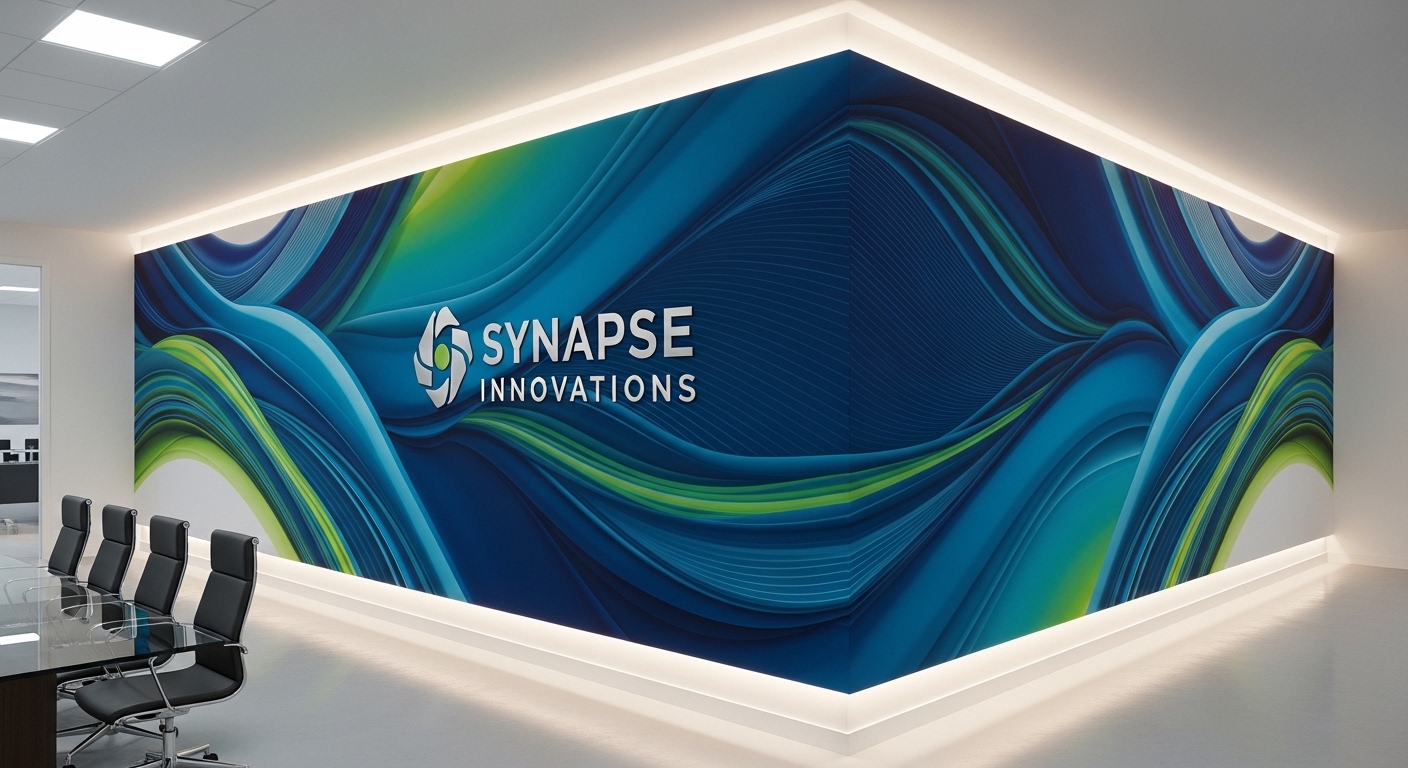
Corporate Office Branding Services: Fast, Durable Wall Graphics Without Vinyl
Introduction: The Evolution of Corporate Office Branding Beyond Traditional Methods
Corporate office branding has moved far beyond framed posters and vinyl feature walls. Today’s workplaces are living environments: they guide people, communicate values, and adapt to new programs or tenants without months of disruptive construction. As organizations rethink space in response to hybrid work, cultural initiatives, and rapid brand change, traditional finishes—especially vinyl wall coverings and wallpaper—often struggle to keep up.
Modern decision-makers are prioritizing speed, lifecycle performance, and measurable impact. They need commercial wall graphics that can be installed in occupied buildings, deliver high-resolution results at scale, and remain durable under daily wear. Direct-to-wall printing technology meets that bar by merging architectural craftsmanship with high-definition imaging. EastCoast MuralPros specializes in this approach, offering corporate office branding services that are fast to deploy, consistent across locations, and engineered for high-traffic use.
Rather than adding another layer of material to a wall, direct-to-wall printing integrates the visual into the architecture itself. The result is a seamless, paint-over-ready finish that feels designed into the building—without adhesives, seams, or long lead times. For organizations managing multiple sites or complex campuses, this shift is redefining what “on-brand” can look like in real, operational spaces.
Pain Points with Vinyl and Wallpaper in Commercial Spaces
Vinyl and wallpaper remain familiar tools, but their limitations become more apparent at corporate scale. Facilities and procurement teams frequently cite recurring issues that drive up costs and risk while reducing the visual quality of interiors over time.
Common challenges include:
Peeling and bubbling at seams and edges, especially in temperature or humidity fluctuations
Visible overlaps and panel lines that interrupt brand visuals and photography
Adhesive failure on challenging substrates such as CMU, sealed concrete, or textured drywall
Long lead times for printing, shipping, and staging that stall critical milestones
Disruption in occupied spaces from prolonged installation, odors, and cleanup
Difficult maintenance and early replacement cycles as corners get picked or lifted
Inconsistent color and finish across multi-location rollouts due to varying conditions and installers
Operationally, vinyl-based projects stack risks: shipments can be delayed, graphics can be mis-sized, and reprints add weeks to schedules. When wayfinding or safety updates are needed quickly, the process becomes a bottleneck. Over time, replacement and patching compound into higher total cost of ownership, while the look degrades—precisely when leadership expects a best-in-class first impression.
Teams also worry about sustainability and waste. PVC-based materials and adhesive backers are difficult to recycle and often end up in landfills after short service lives. For organizations with ESG targets, this can undermine progress toward measurable sustainability goals.
What Direct-to-Wall Printing Technology Offers
Direct-to-wall printing eliminates adhesive films altogether. Instead of fabricating panels off-site, a mobile, high-resolution print system images directly onto prepared surfaces—drywall, CMU, sealed concrete, and even brick—delivering crisp, photoreal results without seams. The result is a durable surface integration that reads as part of the architecture, not a stuck-on layer.
Key advantages for corporate office branding services:
High-definition, photoreal imagery at architectural scale without panel joins
Adhesive-free application that avoids bubbles, peeling, and edge damage
On-site printing, reducing shipping, staging, and fabrication errors
Compatibility with finished and unfinished substrates across a facility
Paint-over-ready finishes that simplify future tenant or program changes
Direct-to-wall systems excel beyond traditional murals by enabling full-campus solutions—ideal for corporate headquarters, multi-building workplaces, hospitals, and schools. EastCoast MuralPros couples the technology with a collaborative design workflow so digital artists, brand teams, and architects can scale their concepts to complex surfaces and plan precise placements. In-studio printing is also available for doors, tables, standees, and other elements that complete an interior package.
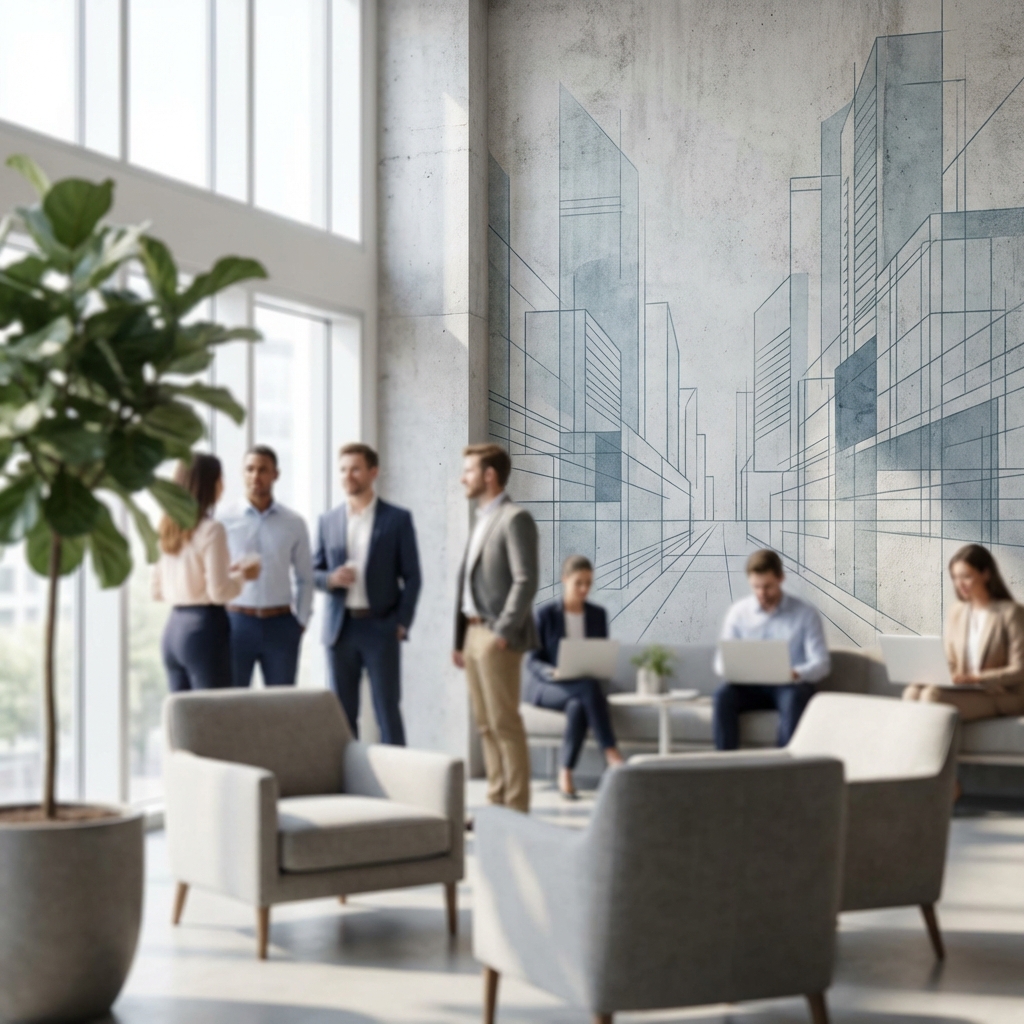
Illustration 1
For teams researching durability and sustainability head-to-head with vinyl, EastCoast MuralPros has published comparisons on direct-to-wall printing vs vinyl that detail performance and environmental impacts in commercial design contexts.
Speed and Installation: Minimal Disruption to Daily Operations
Speed is a core requirement for workplace branding alternatives. Direct-to-wall printing compresses schedules by imaging on location—no waiting on material shipments, no reboxing for reprints, and far less time staging graphics for install. Typical mural-scale applications complete in under five hours per area, allowing work to run during off-hours, between shifts, or over weekends.
The installation process is purposely low-disruption:
Quiet, clean equipment suitable for occupied floors and active corridors
Minimal masking and containment with dustless surface prep
Safe operation around furniture and fixtures; spaces rarely need to be cleared
Phased sequencing that avoids downtime for critical rooms or departments
For workplaces with tight security, infection control, or executive-level privacy, on-site printing significantly reduces external handling and staging. Because the graphics are imaged directly to the wall, there’s no juggling of large vinyl rolls, ladders for complex overlaps, or adhesive cleanup. Facilities teams also see improved schedule certainty—fewer dependencies translate to fewer change orders and easier coordination with other trades.
When leadership needs to move fast—launching a brand initiative, onboarding a new tenant, or opening a renovated area—direct-to-wall printing streamlines the path from concept to completion without draining meeting room availability or creating corridor closures that frustrate staff.
Design Flexibility and Brand Consistency Across Multiple Locations
Brand rollouts demand both creativity and control. Direct-to-wall printing technology offers a design canvas unconstrained by panel sizes, enabling continuous imagery that flows around corners, integrates with millwork, or scales from a small touchdown room to a multi-story atrium without visible seams. For corporate identity systems, that means type, color, and photography can be deployed exactly as intended—no visual compromises to hide overlaps.
Consistency across locations is equally important. EastCoast MuralPros implements color-managed workflows using calibrated devices and profiles, helping ensure brand hues remain accurate from downtown offices to regional hubs. Design packages can be documented with repeatable specifications—ink sets, surface prep standards, finish options—so facilities and procurement teams have a reliable template for future sites.
This flexibility also supports programmatic graphics beyond logos and hero walls. Consider:
Wayfinding and safety: integrated directionals, stairwell identifiers, and compliance messages without signage clutter
Department zoning: color bands or patterns that delineate teams while reinforcing identity
Mission storytelling: timelines, values walls, and donor recognition integrated into corridors
Seasonal or campaign assets: a subscription model enables quarterly refreshes without wholesale replacement
For organizations with distributed real estate, these capabilities translate to a governed design system that adapts to different floor plates and substrates while maintaining a unified look and feel. When a pilot succeeds, it can be replicated across dozens—or hundreds—of locations with consistent execution.
Durability and Maintenance in High-Traffic Corporate Environments
Durability defines the difference between a decorative accent and a reliable facilities solution. Direct-to-wall printing employs industrial inks and curing methods engineered for abrasion resistance and cleanability. Unlike films, there are no edges to lift, seams to snag, or adhesive layers to trap dust. The graphic becomes a robust surface, able to withstand the routine impacts of carts, bags, and daily cleaning.
Maintenance procedures align with standard janitorial practices:
Wipe-down cleaning with common, non-abrasive agents
No special adhesive-safe products required
Spot repairs and touch-ups localized without replacing panels
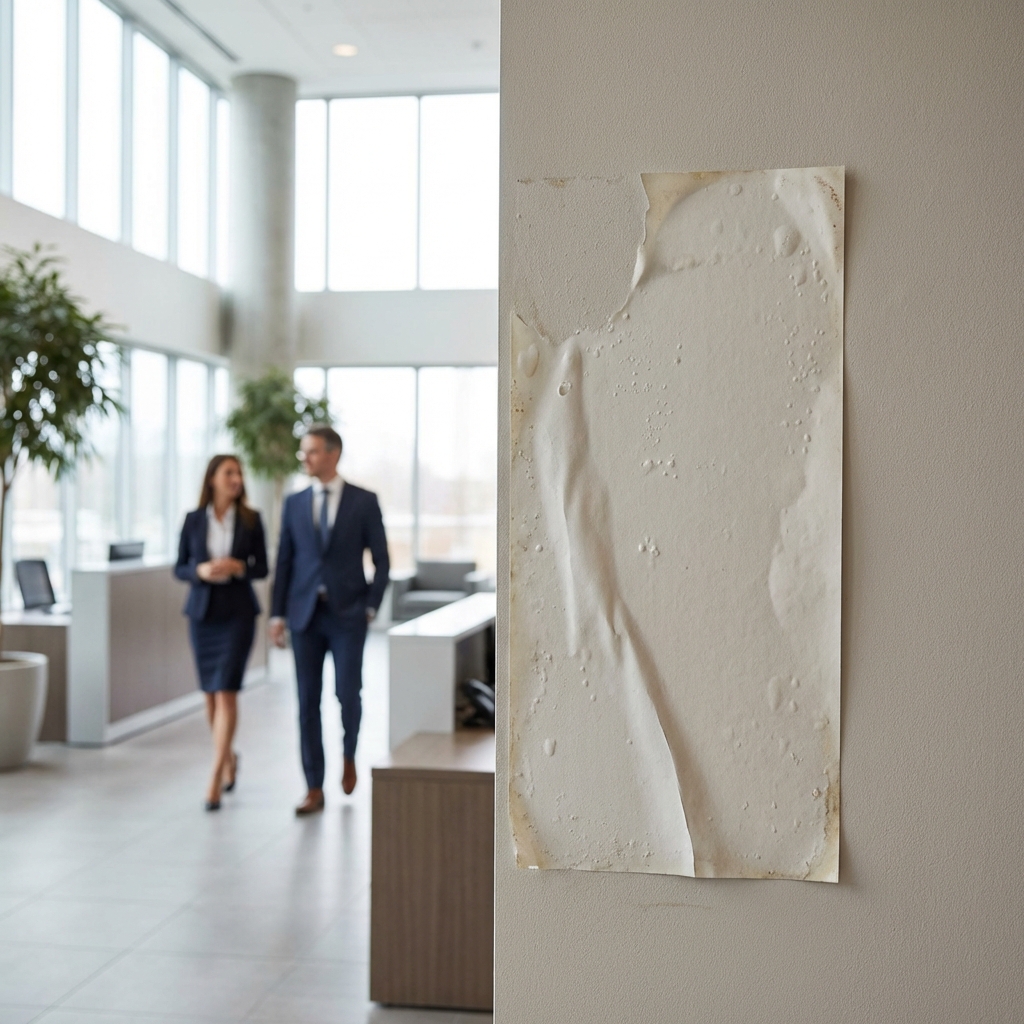
Illustration 2
In lobbies, cafés, stairwells, and elevator lobbies—zones notorious for scuffs and contact—direct-to-wall graphics maintain their appearance longer, delaying the need for refresh cycles. For spaces with strict cleanliness or infection control standards, such as wellness areas or clinics within corporate campuses, smooth, seam-free surfaces make sanitation simpler and more effective.
For teams comparing performance to film-based solutions, EastCoast MuralPros provides practical guidance on high-traffic applications in this overview of direct-to-wall durability. The takeaway is clear: when graphics integrate into the wall, damage modes change—and most routine wear is easier to manage without expensive, visible patchwork.
Cost Efficiency and Lifecycle Advantages
Upfront material costs tell only part of the story. Total cost of ownership—across design, production, installation, maintenance, and replacement—often favors direct-to-wall printing for commercial interiors, especially at scale.
Cost drivers where organizations gain:
No vinyl, adhesive, or panel fabrication costs
Reduced shipping and staging; on-site imaging eliminates freight delays and handling
Fewer field errors; sizing is confirmed in real space, avoiding costly reprints
Shorter install windows; rooms return to service faster, preserving productivity
Longer service life; fewer seam failures, less picking damage, and simpler cleaning
Lower end-of-life costs; repainting replaces removal, disposal, and wall repair
In multi-location deployments, consistency further amplifies savings. A standardized process reduces variability in quotes and outcomes, simplifies procurement, and creates baselines for budgeting future phases. EastCoast MuralPros also supports subscription models for strategic refreshes—spreading program costs predictably while keeping spaces aligned to campaigns, hiring milestones, or seasonal brand narratives.
For landlords and corporate real estate teams managing tenant turnover, paint-over-ready finishes are a crucial lever. Resetting a space is faster and cleaner than peeling films, remediating adhesive residue, and repairing drywall pulls—shortening make-ready cycles and preserving asset condition.
Sustainability Benefits Over Traditional Wall Coverings
Organizations pursuing credible sustainability initiatives are reassessing PVC-based finishes and single-use graphics. Direct-to-wall printing drives down waste and emissions by removing the material layer entirely. On a typical project, there are no rolls of vinyl, no adhesive backers, minimal packaging, and fewer shipments.
Meaningful environmental advantages include:
Eliminated PVC and plasticized adhesive films in standard wall applications
Reduced transportation emissions through on-site imaging
Fewer replacements due to improved durability and easy maintenance
Paint-over end-of-life that avoids disposal of contaminated adhesive substrates
Lower risk of off-gassing from adhesives or plastisol materials in occupied spaces
For teams comparing impacts, EastCoast MuralPros has outlined how direct-to-wall printing stacks up against traditional methods in this analysis of sustainability and environmental waste in commercial design. While every project is unique, reductions in material throughput and shipping complexity are consistent gains—helping facilities align branding programs with broader ESG commitments and, in some cases, contributing to green building targets.
Industry Applications: From Corporate Headquarters to Institutional Spaces
Direct-to-wall printing is a cross-sector solution because it adapts to different program needs, substrates, and durability requirements without changing the core process. In corporate environments, it elevates brand presence while solving wayfinding and communication needs; in institutional settings, it enables campus-wide cohesion without signage clutter or long closures.
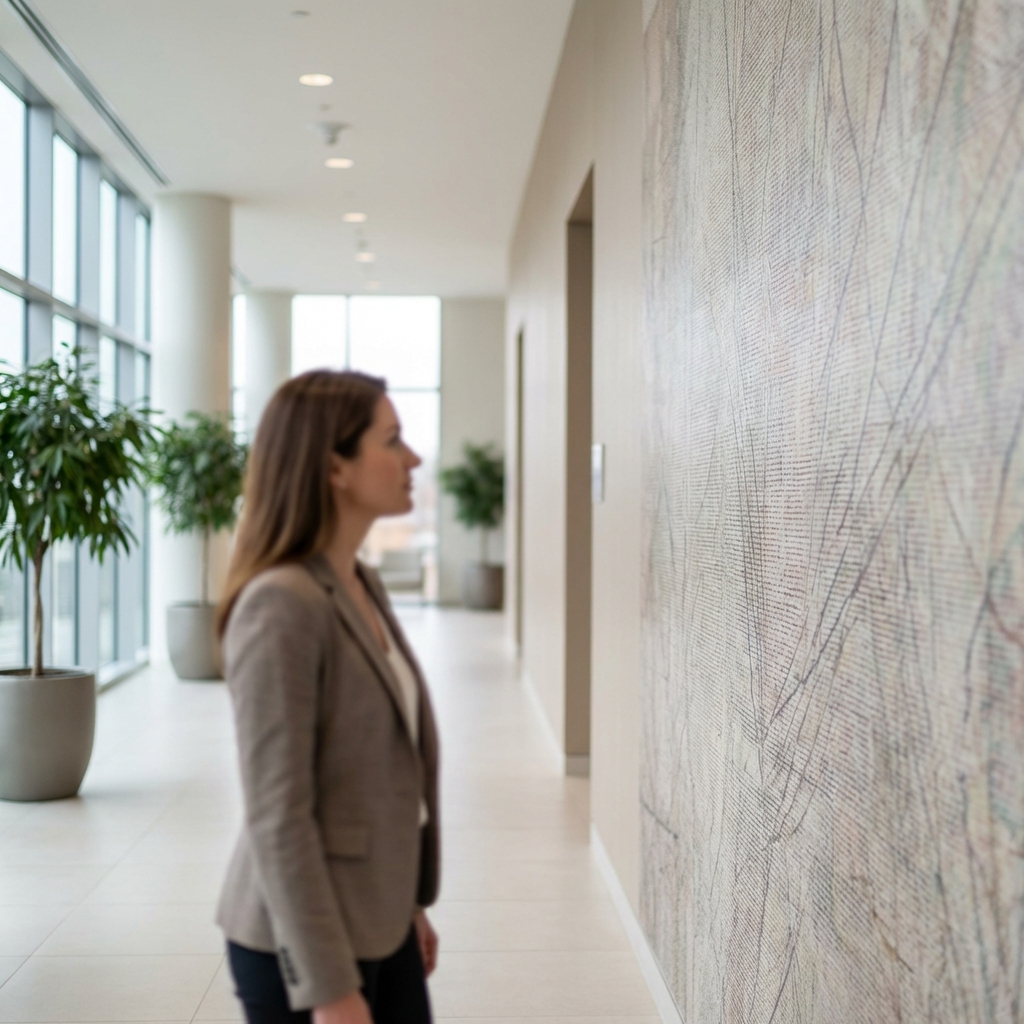
Illustration 3
Applications by sector:
Corporate headquarters and offices: lobby features, mission walls, privacy patterns, conference room branding, and employee communications in high-traffic corridors
Healthcare facilities: integrated wayfinding, department identifiers, wellness imagery, and instructional graphics that are easy to clean and maintain
Higher education and K–12: donor recognition, athletics heritage installations, lab and library zoning, and residence hall programming across multiple buildings
Hospitality: guest experience narratives, elevator cores, event spaces, and subtle patterning in circulation areas resistant to luggage scuffs
Retail and multi-location brands: seasonal campaigns, localized storytelling, and back-of-house communication zones—rolled out consistently across markets
Museums and cultural institutions: photoreal imagery, exhibition graphics at architectural scale, and clean, seam-free finishes that respect curatorial standards
Landlords and property managers: spec-suite branding, lease-up accelerators, and amenity area upgrades that reset quickly between tenants
Because on-site imaging handles finished and unfinished surfaces—drywall, CMU, concrete, brick—teams can unify old and new construction without patchwork. EastCoast MuralPros also offers in-studio printing on doors, tables, and standees to complete programs where portable elements support events or temporary activations.
Implementation Best Practices for Office Branding Projects
Successful programs follow a disciplined process that protects schedules and ensures visual quality. A few best practices streamline delivery from initial scoping to ongoing refreshes.
Plan with the end in mind:
Discovery and audit: walk the site, document substrates, lighting, and traffic patterns; identify power and access requirements
Content governance: confirm brand standards, asset ownership, and usage rights for photography and artwork
Proofing and pilots: produce on-wall test swatches for color and texture confirmation; align stakeholders early on expectations
Environmental readiness: ensure temperature, humidity, and surface conditions meet specifications; complete any patching or sealing
Design with operations in view:
Scale thoughtfully: leverage architectural moments—column arrays, stair runs, soffits—for continuous graphics that read from key sightlines
Integrate wayfinding: fold directional cues and safety information into brand compositions to eliminate clutter
Calibrate for lighting: consider glare, shadow, and chroma shifts across daylight and artificial sources; plan matte or satin finish strategies
Accessibility and compliance: meet visibility, contrast, and reach standards where graphics carry instructional content
Execute with precision:
Phase sequencing: schedule in zones to minimize disruption to departments; prefer off-hours in mission-critical areas
Stakeholder communication: circulating daily progress and next-day plans reduces surprises in occupied buildings
Quality control: inspect adhesion to sealed substrates, verify color against approvals, and document final placements for asset management
Handoff package: provide cleaning guidelines, touch-up protocols, and a digital archive of artwork for future refreshes
Scale intelligently:
Multi-location playbooks: create a deployment kit with standardized specs, site readiness checklists, and visual templates
Subscription cadence: align quarterly or semiannual refreshes with campaign calendars, hiring seasons, or product cycles
Metrics: track outcomes—wayfinding efficiency, space satisfaction scores, tenant absorption times—to inform refinements
EastCoast MuralPros supports these stages with collaborative tools that help digital artists scale work to architectural dimensions, and with field-tested installation workflows tuned for occupied facilities. The goal is predictable outcomes—on time, at quality, and repeatable across a portfolio.
Conclusion: Redefining Corporate Interior Branding for Modern Workplaces
Corporate office branding services are most valuable when they respect real operational constraints—speed, durability, consistency, and sustainability—while delivering design that feels integral to the building. Direct-to-wall printing technology accomplishes this by placing high-resolution imagery directly onto surfaces, eliminating adhesives and seams, and enabling rapid, low-disruption installation in occupied spaces.
For facilities leaders, procurement teams, and designers tasked with refreshing environments at scale, the approach provides clear advantages: lifecycle efficiency, paint-over-ready flexibility for future change, and consistent results from headquarters to regional sites. EastCoast MuralPros brings these capabilities together with campus-wide planning, multi-location execution, and subscription models that keep spaces aligned to evolving brand and workplace needs.
As organizations balance hybrid work, culture, and clear communication within physical spaces, the path forward favors integrated, durable office wall solutions over short-lived finishes. Direct-to-wall printing is a pragmatic, design-forward foundation for office interior branding—reliable enough for daily operations, refined enough for leadership spaces, and flexible enough to scale wherever your brand lives.