
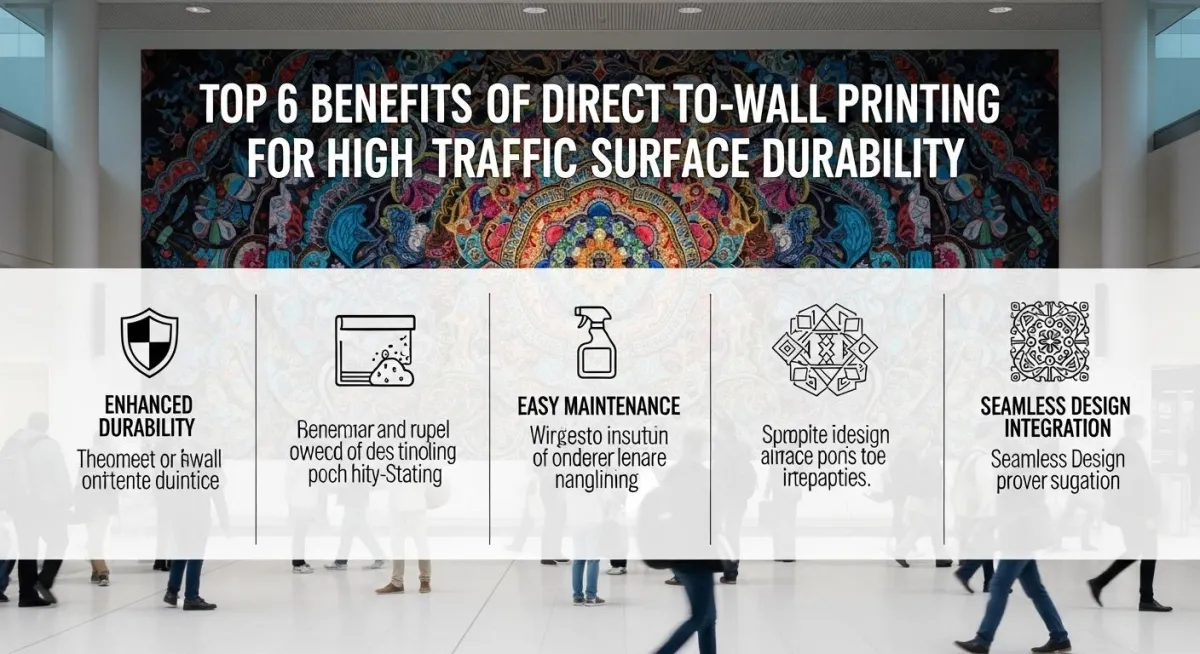
Top 6 Benefits of Direct-to-Wall Printing for High-Traffic Surface Durability
Superior Scratch Resistance Through Direct Surface Bonding
For high-traffic interiors, direct-to-wall printing durability comes from bonding the image directly to the architecture. Unlike vinyl wraps and laminated films that sit on top, the cured print becomes part of the painted or masonry surface, resisting abrasion that would normally lift or gouge a softer overlay. The result is scratch resistant wall graphics designed for daily contact without fraying edges or bubbling.
Industrial wall printing technology lays down a hard, cured ink film in place, leaving no adhesive seam to catch bags, carts, or janitorial tools. Seam-free production eliminates the weak points common in tiled wallpaper panels and spliced vinyl, a key advantage for long corridors and elevator lobbies. For high-traffic wall branding, fewer vulnerable edges equals fewer visible scars and lower maintenance.
In K–12 hallways, backpack rub and locker traffic tend to scuff laminates; a bonded print resists that burnishing and keeps color density consistent. In hospitals, beds and crash carts brush walls; the cured film cleans with standard non-abrasive agents without whitening or peeling. Retail fitting rooms and quick-serve queue lines see ring impact and belt scuffs; bonded images hold detail at eye level where damage is most noticeable. EastCoast MuralPros’ cleanable finishes make daily wipe-downs practical without adding protective sheets or guards in most locations.
Vinyl layers can telegraph scratches, turning a single scrape into a visible path across panels; if the topcoat fails, the graphic often needs replacement. Bonded, paint-over-ready murals localize wear—scuffs abrade the image surface rather than lifting edges—so touch-ups and future rebranding are straightforward. For teams evaluating commercial vinyl laminate alternatives, EastCoast MuralPros delivers the same visual clarity with far better lifecycle performance and sustainable vinyl-free printing options. On-site printing also avoids transit damage and handling marks that accumulate before installation.
To maximize abrasion resistance, pair the print method with facility-grade best practices. Consider the following during spec and rollout:
Specify proper surface prep and compatible primers so the print bonds uniformly across drywall, CMU, concrete, or brick.
Choose matte or low-sheen finishes to minimize the appearance of incidental scuffs under harsh lighting.
Add corner guards only where impact is unavoidable; the rest can remain uninterrupted for seamless wall mural benefits.
Establish cleaning protocols using non-abrasive pads and pH-neutral cleaners to preserve the cured film.
EastCoast MuralPros executes these details consistently across multi-location and campus projects, completing installs in occupied buildings with minimal disruption. That consistency keeps high-traffic graphics looking sharp longer, extending the service life of your investment.
Elimination of Peeling Edges and Adhesive Failures
Peeling edges and adhesive failures are the Achilles’ heel of traditional vinyl wall coverings and laminated graphics. In high-traffic corridors, even perfectly installed films begin to lift where carts, backpacks, and routine cleaning brush against seams. Direct-to-wall printing durability removes the weakest link—there are no edges to pry, bubble, or trap grime—so graphics stay put and presentable.
Because the image is printed directly onto the substrate, there’s no vinyl carrier, adhesive layer, or overlap seams to fatigue. The result is a continuous, integrated surface that delivers seamless wall mural benefits and more scratch resistant wall graphics compared to films with exposed edges. For teams evaluating commercial vinyl laminate alternatives, this approach behaves more like a performance coating than a decorative applique.
Common failure points that direct-to-wall printing avoids:
Humidity and thermal cycling that cause adhesives to creep, shrink, and release at corners.
Textured or porous substrates (CMU, concrete, brick) that limit adhesive contact and lead to early lift.
Disinfectants and strong cleaners that soften adhesives or cloud laminates in healthcare and education.
Edge impacts from carts and luggage in hotels, airports, and hospitals that start a peel line.
Misalignment and tension from panelized films that create visible seams and long-term stress.
Shipping and fabrication variability that introduces micro-curls before installation even begins.
In hospitals, schools, and transit hubs, high-traffic wall branding must stand up to daily abrasion and aggressive cleaning without turning into a maintenance ticket. With industrial wall printing technology, wayfinding arrows, safety icons, and large-format imagery are printed in place as a continuous layer, minimizing snag points and keeping surfaces easy to wipe down. That means fewer interruptions and a cleaner, more professional look month after month.
Facilities and procurement teams also gain lifecycle control. When programs change, paint-over-ready finishes let you refresh without scraping adhesive residue or repairing pulled drywall paper. EastCoast MuralPros installs on finished or unfinished surfaces—drywall, CMU, concrete, and brick—with low-disruption workflows typically completed in under five hours, making it ideal for occupied buildings and multi-location rollouts. Learn how their durable wall printing technology supports consistent execution at scale.
By eliminating failure-prone edges and adhesives, direct-to-wall systems reduce work orders, extend refresh cycles, and cut waste—a clear win over wallpaper and vinyl. The outcome is durable, cleanable graphics that integrate branding, wayfinding, and instructional content without signage clutter, all while improving performance and sustainability across your interior portfolio.
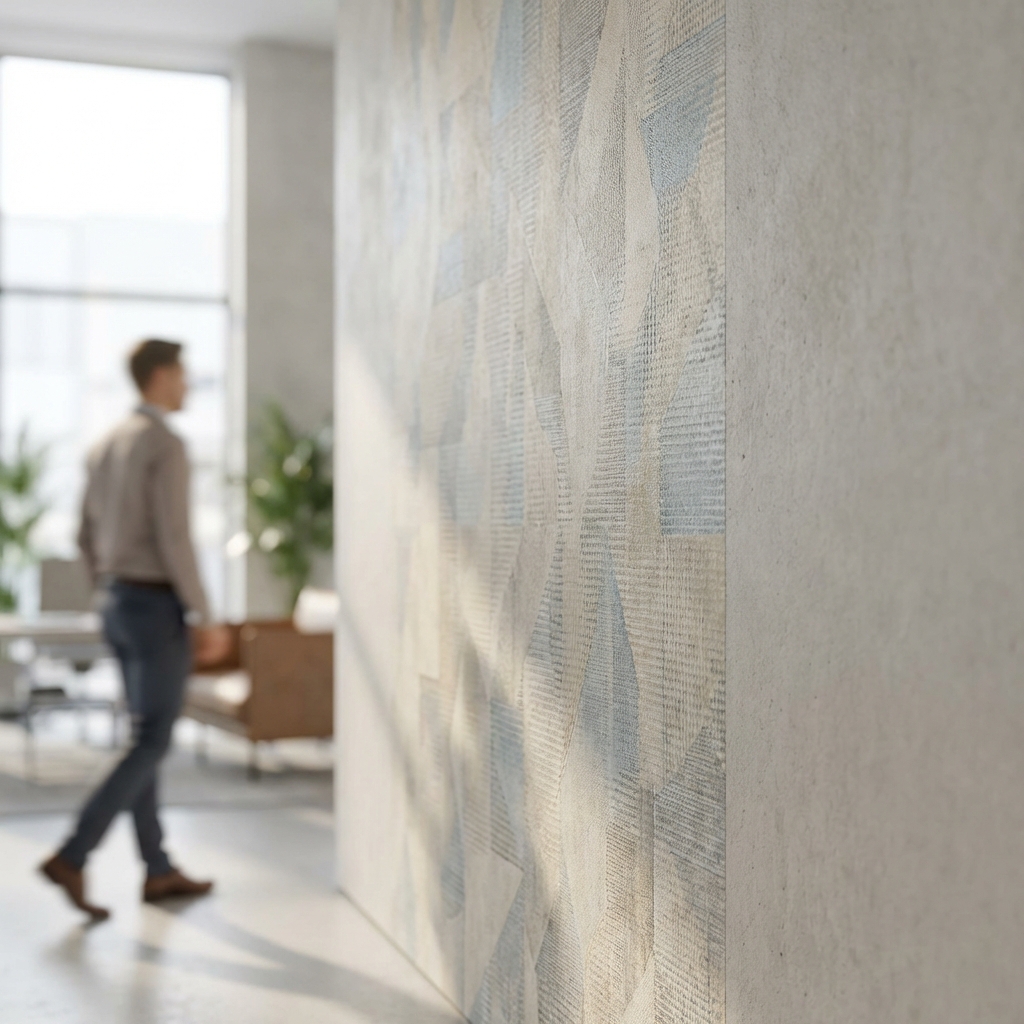
Image 2
UV-Cured Inks for Permanent Color and Surface Hardness
UV-cured inks are the backbone of direct-to-wall printing durability. During printing, UV-LED lamps instantly polymerize the ink into a crosslinked coating that bonds to the wall, creating a hard, non-porous surface without adhesives or laminates. The result is a seamless, architectural finish that stands up to daily wear far better than most decorative paint or film-based graphics.
This cured layer is inherently scratch and scuff resistant, making it ideal for high-traffic wall branding where carts, backpacks, and rolling equipment are a reality. Unlike commercial vinyl laminate alternatives that rely on edge seams and pressure-sensitive adhesives, on-wall UV printing eliminates common failure points like bubbling, peeling, and dirt-catching edges. You get the seamless wall mural benefits of a monolithic graphic that looks built-in, not applied.
Cleanability is where UV-cured systems shine. The cured surface tolerates frequent wipe-downs with common commercial cleaners and disinfectants used in healthcare, education, and foodservice environments without color lift or smearing. Because the inks cure instantly, there’s minimal odor during installation and no extended off-gassing period, allowing spaces to remain occupied with low disruption.
Color retention and gloss control are engineered into the ink chemistry, so graphics remain vivid and legible under intense interior lighting and sunlight spill. For facilities teams, this translates into longer refresh cycles and fewer service calls compared to laminated films or fragile painted treatments. When it’s time to change messaging, EastCoast MuralPros provides paint-over-ready finishes and guidance for prep, so you can transition programs without demolition or panel removal.
Real-world examples of where UV-cured, industrial wall printing technology excels include:
Hospital corridors and nurse stations that require daily disinfecting and scratch resistant wall graphics.
University tunnels and CMU stairwells where impact and abrasion are constant, and seams would fail.
Retail queuing lanes and back-of-house routes with carts and frequent wall contact.
Parking garage lobbies and elevator banks needing durable wayfinding without signage clutter.
EastCoast MuralPros brings this capability on site, delivering high-resolution, seamless murals in under five hours per area, even on unfinished surfaces like drywall, CMU, concrete, and brick. Their direct-to-wall approach reduces shipping, fabrication errors, and install disruptions, while ensuring consistent execution across multi-location rollouts. For teams seeking a proven, performance-based alternative to vinyl wall coverings and wallpaper, UV-cured printing provides the durability that high-traffic environments demand.
Impact-Resistant Seamless Graphics Without Physical Seams
In high-traffic corridors, seams are the first thing to fail. Vinyl joints and overlaps catch backpacks and carts, edges lift under frequent cleaning, and panels chip at transitions. Printing directly onto the wall removes those weak points entirely, delivering the seamless wall mural benefits facilities teams need without the maintenance burden of seams, adhesives, or laminate.
This industrial wall printing technology bonds imagery to the actual substrate—drywall, CMU, concrete, or brick—so there’s no film to delaminate or snag. The result is high-traffic wall branding that stays put, with abrasion- and scratch-resistant wall graphics that handle daily wipe-downs and incidental bumps far better than overlays. If you’re evaluating commercial vinyl laminate alternatives, the direct-to-wall printing durability advantage shows up quickly in fewer service calls and cleaner edges over time.
What seamless execution delivers in the field:
No joints, overlaps, or trim pieces to peel, bubble, or collect grime
Reduced snag risk from carts, luggage, gurneys, and janitorial equipment
Better visual continuity across CMU grout lines, corners, and irregular surfaces
Easier cleaning with standard non-abrasive protocols; no edge sealing required
Fewer substrate penetrations (no panels or fasteners), preserving wall integrity
Paint-over-ready end of life—no adhesive removal or wall remediation
Consider a hospital corridor where gurneys and EVS teams run 24/7. Direct-to-wall imagery eliminates catch points, resists day-to-day scuffs, and tolerates routine disinfecting better than layered films. In K–12 hallways and student unions, you can span long runs without panel seams, so murals don’t fray at edges or telegraph joints—crucial for durable, integrated wayfinding without signage clutter.
EastCoast MuralPros prints on-site to architectural scale, creating seam-free graphics in under five hours per zone with minimal disruption. Because the image is applied to your finished or unfinished walls—drywall, CMU, concrete, or brick—you gain consistent execution across multi-location rollouts without shipping panels or managing laminate variables. When it’s time to refresh, facilities can simply paint over the existing design, avoiding the downtime, waste, and labor tied to pulling vinyl.
For teams seeking performance-driven, lifecycle-efficient wall systems, EastCoast MuralPros offers a proven path: durable, cleanable, adhesive-free murals that remove failure points and stand up to real-world use.
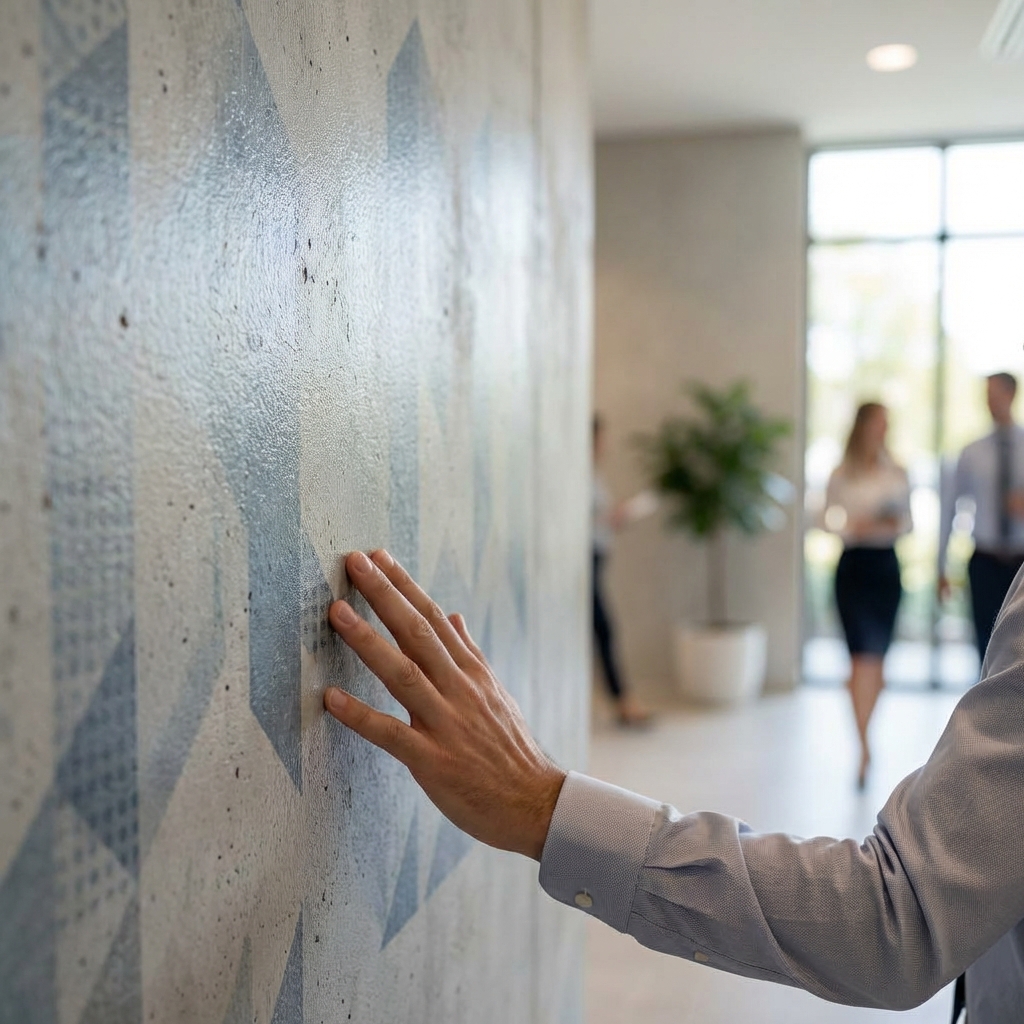
Image 3
Chemical Resistance for Sanitization in Medical Facilities
Medical environments demand finishes that survive aggressive cleaning cycles without failing visually or functionally. Daily wipe-downs with quats, bleach, alcohol, and peroxide can cloud laminates, lift seams, and degrade adhesives, turning once-crisp graphics into maintenance headaches. That’s why direct-to-wall printing durability is a decisive factor for infection-control teams and facilities managers alike.
EastCoast MuralPros uses industrial wall printing technology to place high-resolution imagery directly onto drywall, CMU, concrete, or brick—no vinyl, adhesives, or panel seams. This creates a continuous, non-laminated surface that resists edge-lift and eliminates creases where soils and microbes can accumulate. As commercial vinyl laminate alternatives, these systems deliver seamless wall mural benefits while avoiding the typical peeling and bubbling seen under repeated sanitization.
In practice, the printed surfaces are built to tolerate frequent exposure to common hospital cleaners, including quaternary ammonium compounds, hydrogen peroxide wipes, isopropyl alcohol, and diluted sodium hypochlorite. Facilities teams can disinfect quickly without worrying about whitening, delamination, or adhesive failure. Colors remain crisp and readable for wayfinding and safety communication, even after thousands of cleaning cycles.
High-impact zones—corridors, nurse stations, patient check-in, and elevator lobbies—also benefit from scratch resistant wall graphics that stand up to carts, wheelchairs, and gurneys. With high-traffic wall branding, you can integrate unit identity, donor recognition, or pediatric themes alongside instructional graphics without adding signage clutter. The result is a cleanable, photoreal finish that feels integrated into the architecture rather than applied on top of it.
Operationally, EastCoast MuralPros installs with low disruption in occupied buildings, often completing a typical scope in under five hours per wall. On-site printing eliminates shipping delays and fitment issues, enabling predictable schedules during off-hours. The paint-over-ready finish supports future program changes, while a subscription model lets large systems refresh messaging or departments without tearing out material—an efficient lifecycle approach for multi-campus rollouts.
Practical care guidelines for facilities teams:
Use hospital-grade disinfectants per manufacturer instructions; avoid abrasive pads that can scuff any painted surface.
For stubborn marks, step up from neutral detergents to isopropyl alcohol or peroxide wipes, then rinse with clean water.
Document approved products and spot-test new cleaners in an inconspicuous area before broad use.
Schedule quick visual audits in high-traffic routes to catch and address impact scuffs early.
When programs change, simply paint over or reprint on-site to update instructions or branding without demolition.
Low-Maintenance Lifecycle with Paint-Over-Ready Finishes
Direct-to-wall printing durability pays dividends over the life of a space because there’s no vinyl, laminate, or adhesive to fail. Graphics are printed straight onto prepared substrates, creating scratch resistant wall graphics that hold up to carts, backpacks, and daily cleaning cycles. In facilities that run 24/7, fewer edges and no film layers mean fewer service calls and far less time spent chasing bubbles, peeling, or seam discoloration.
Paint-over-ready finishes simplify end-of-lease turnovers, rebrands, and program updates. When a hospital unit changes function or a retail concept rotates, walls can be lightly prepped and painted without stripping adhesives or repairing pull-off damage. That translates into faster schedules, cleaner scopes for painters, and predictable closeout in occupied buildings.
Seamless wall mural benefits are especially noticeable in high-traffic wall branding zones—corridors, lobbies, cafeterias, and student centers. Without seams, there are no dirt-trapping lines or edges to lift under moisture and abrasion. Industrial wall printing technology also covers irregular surfaces (drywall, CMU, brick, and concrete) with consistent results, making it a practical commercial vinyl laminate alternative where traditional wallcovering struggles.
Ongoing care is straightforward and fits existing janitorial protocols. Surfaces are designed for routine cleaning with microfiber and neutral-pH or non-abrasive disinfectants without clouding or edge failure. Most scuffs can be removed with gentle cleaners, avoiding the recurring replacement cycles typical of laminated graphics. A simple maintenance plan often looks like:
Dry dusting or microfiber wipe-down as part of daily rounds
Neutral cleaner for marks; avoid abrasives and harsh solvents
Periodic visual checks in impact zones; clean rather than replace
Paint-over when programs change, instead of full tear-out
Lifecycle efficiency shows up in budgets and schedules. With on-site production, there are no shipping delays, no damaged panels, and no reprints due to mis-measured drops. For multi-location rollouts, consistent print systems and color management keep branding aligned while minimizing maintenance variance across sites. EastCoast MuralPros installs most projects in under five hours and supports subscription refreshes, allowing campuses, hospitals, and corporate portfolios to update seasonally or strategically while maintaining durable, high-traffic wall branding with minimal downtime.
Call to Action

Contact Us
📍250 East Sandford Blvd, Studio G2
Mount Vernon, NY 10550
Mon-Sat 7am-9pm · Sun closed


