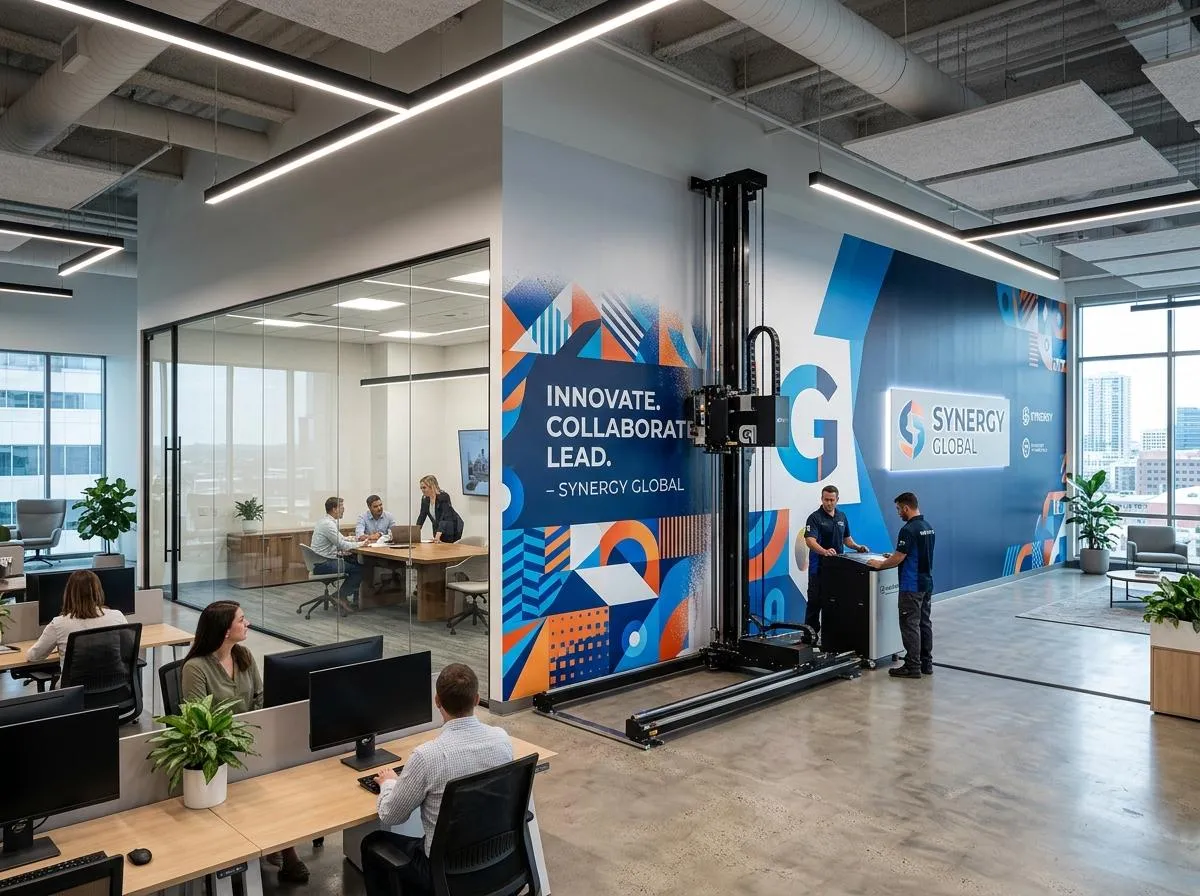
7 Best Custom Wall Printing Solutions for Commercial Branding
Table of Contents
Direct-to-Wall Printing Technology: The Evolution Beyond Vinyl and Wallpaper
Seamless Installation in Under 5 Hours: Speed Without Disruption
Sustainable Wall Graphics: Environmental Benefits Over Traditional Methods
Wayfinding and Instructional Graphics Without Signage Clutter
Direct-to-Wall Printing Technology: The Evolution Beyond Vinyl and Wallpaper
7 Best Custom Wall Printing Solutions for Commercial Branding
Commercial interiors are carrying more responsibility than ever: to inform, direct, inspire, and reinforce brand identity without interrupting daily operations. Traditional approaches—vinyl wall coverings, wallpaper, or construction-heavy upgrades—create cost, waste, and downtime. Next-generation custom wall printing services change that equation by delivering high-resolution graphics directly onto surfaces quickly, cleanly, and at scale.
EastCoast MuralPros helps commercial landlords, healthcare systems, universities, cultural institutions, hospitality brands, and multi-location retailers implement design-forward, durable graphics that look integrated, not applied. The result is a performance-based alternative to vinyl and wallpaper that moves at the speed of modern facilities and procurement teams.
Below are seven core solutions every decision-maker should consider when evaluating custom wall printing services for commercial branding and communication.
Direct-to-wall printing is a field-proven leap beyond adhesive films and paper-based coverings. Instead of fabricating panels or laminates off-site and then installing them with adhesives, a precision wall printer brings the image to the wall. High-resolution printheads and instant-cure inks create a seamless, long-wearing graphic directly on finished or unfinished substrates.
What sets this method apart:
No adhesives, panels, or seams: Graphics sit flush to the surface, preserving the architecture rather than covering it.
On-site execution: Eliminates shipping delays, re-trims, misaligned panels, and the extra waste found with traditional fabrication.
Broad material compatibility: Drywall (painted or primed), CMU/block, concrete, brick, plaster, and sealed wood can all receive durable, high-resolution imagery.
Architectural scale: From corridor-length wayfinding to lobby features and campus-wide branding, prints can extend across long runs without visual breaks.
For facilities and brand teams frustrated with peeling seams, bubbling vinyl, and mismatched reorders, direct-to-wall printing closes the gap between design intent and built reality. It’s also a natural fit for institutions that need consistent results across multiple buildings, floors, or locations without rewriting their facilities standards for every install.
Beyond vertical surfaces, EastCoast MuralPros offers in-studio printing for doors, tabletops, and standees. This makes it practical to extend brand systems across touchpoints while maintaining the same color management and visual quality used on-site. When combined with collaborative digital tools, artists and designers can scale a single system—brand textures, photography, illustrations—across a portfolio, ensuring continuity from a flagship headquarters to regional clinics or learning centers.
If you are weighing modern wall mural alternatives, direct-to-wall printing is the option built for speed, scale, and architectural integration.
Seamless Installation in Under 5 Hours: Speed Without Disruption
In commercial and institutional environments, schedule certainty and minimal disruption are essential. Direct-to-wall installations are designed for occupied buildings, often completing a standard feature wall in under five hours. That means conference rooms are back in use the same afternoon, corridors remain open, and revenue-generating spaces aren’t sidelined for days.
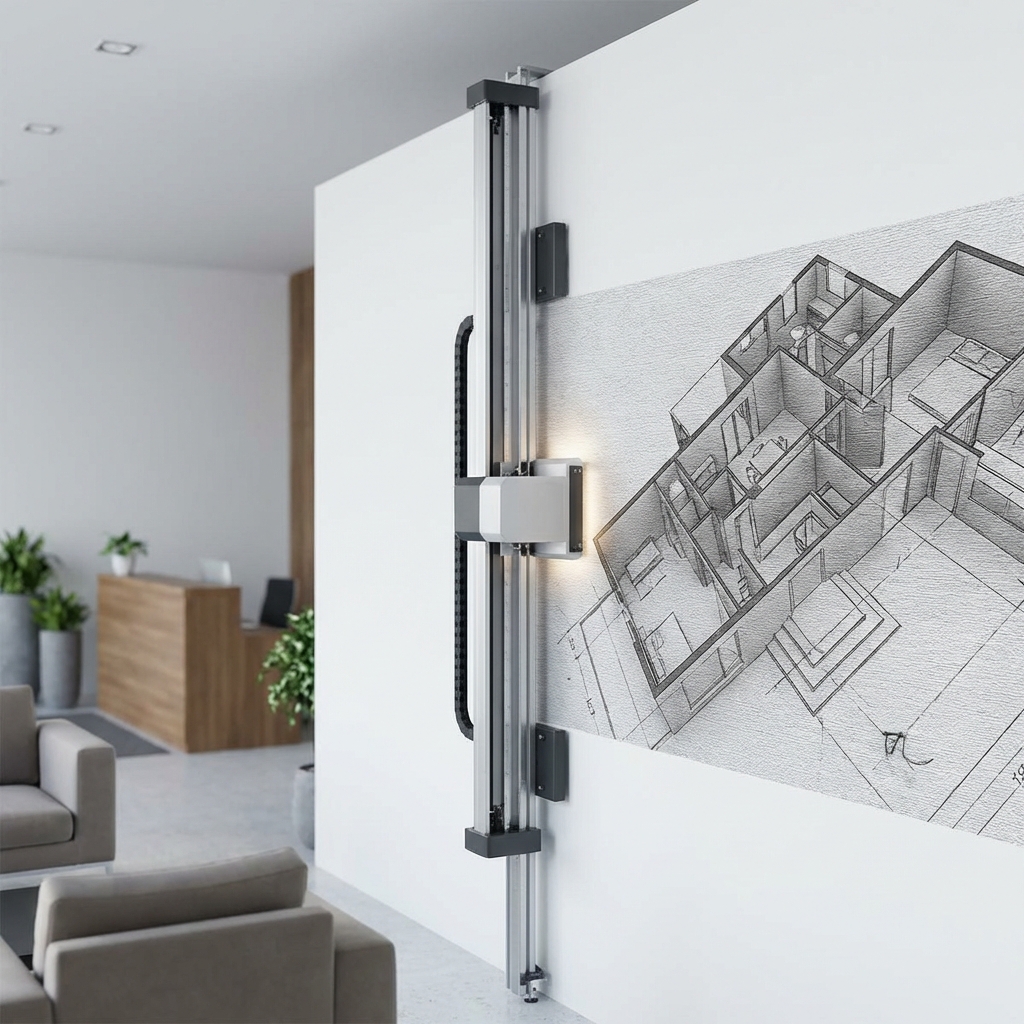
A typical process for a single wall:
Site readiness and check-in: Confirm wall conditions, power, and access windows without tying up facilities staff.
Layout and alignment: Calibrated positioning ensures artwork registers precisely to corners, fixtures, and architectural reveals.
Printing and instant cure: The system applies and cures ink on contact, avoiding odors and lengthy dry times.
Quality review and cleanup: Final inspection, minor edge protection if needed, and removal of light masking.
Because prints are produced in place, there is no panel staging or trimming, no adhesive activation, and no lengthy rolling or squeegeeing of films. Work zones are compact and mobile. For healthcare floors, active campuses, and hybrid offices, this approach keeps life safety egress clear and enables wayfinding updates during off-peak hours.
Where speed matters most:
Lease-up periods and tenant turnovers: Dress a suite or corridor during a short vacancy window.
Operational healthcare: Introduce instructional graphics without closing rooms or detouring patients.
Education schedules: Complete a library, cafeteria, or athletics corridor between events or overnight.
EastCoast MuralPros maintains consistent workflows for preflight, color proofing, and field setup, so multi-wall and multi-site projects run on a predictable cadence. The team’s low-disruption approach reduces the need for weekend premiums and can often be sequenced around ongoing operations—an immediate advantage over longer-duration paint, millwork, or vinyl programs.
Photoreal, High-Resolution Imagery at Architectural Scale
Brand stories, cultural displays, and donor recognition programs demand photographic clarity and crisp detail. Modern direct-to-wall systems deliver high-resolution wall graphics with precise edges, smooth gradients, and consistent color from edge to edge. The result is more like curated environmental art than applied signage.
Key quality considerations:
Resolution and viewing distance: For feature walls, 100–150 ppi at final size typically renders photoreal detail at normal viewing distances. For corridors or large atria, lower ppi can still look razor-sharp thanks to increased viewing range.
Color management: ICC-profiled workflows target brand-critical hues, maintaining consistent color across different substrates and locations. This matters when rolling out a standard across multiple buildings or markets.
Seam-free continuity: Without panel breaks, artwork flows across long runs without tiling or step seams, an advantage for landscapes, typographic patterns, and brand textures.
Texture-ready printing: Brick and CMU retain their natural relief. Graphics conform visually to the surface, enhancing the architectural character rather than masking it.
Artwork prep best practices:
Supply layered, vector-based files where possible so typography and logos remain tack-sharp at scale.
For photography, start with the largest native capture available; avoid upscaling low-resolution web images.
Provide a margin for architectural tolerances near edges, doors, and outlets to account for real-world field conditions.
This level of fidelity is particularly useful in galleries, museums, and cultural spaces where curatorial content needs to hold up under close inspection, and in hospitality environments where brand imagery defines the guest experience. Educational and healthcare installations benefit too—diagrams, instructional sequences, and map-based wayfinding render clearly, supporting comprehension and accessibility.
The prints are also designed for high-traffic realities. Durable, cleanable finishes support regular maintenance without smudging or premature wear. For an overview of durability considerations in busy environments, see EastCoast MuralPros’ perspective on direct-to-wall printing benefits.
Multi-Location Brand Consistency and Rollout Solutions
Scaling a brand system across dozens—or hundreds—of walls requires more than a capable printer. It takes a rollout framework that unifies artwork management, field conditions, scheduling, and quality control. EastCoast MuralPros structures multi-site programs so facilities and procurement teams can drive consistent outcomes with fewer moving parts.
Program components that matter:
Centralized asset libraries: A single source of truth for approved art files, color targets, and usage rules ensures the same visual language from headquarters to regional sites.
Preflight templates and elevations: Standardized templates for corridors, clinics, classrooms, and lobbies reduce rework and keep design decisions consistent.
Site surveys and readiness checklists: Documenting substrates, obstructions, floor transitions, and lighting conditions creates predictable installs and consistent color appearance.
Color verification: On-site test swatches and controlled lighting assessments help lock in brand-critical tones and neutrals before full production.
Scheduling playbooks: Sequencing work around occupancy windows—by floor, zone, or department—avoids downtime and maximizes labor efficiency across a portfolio.
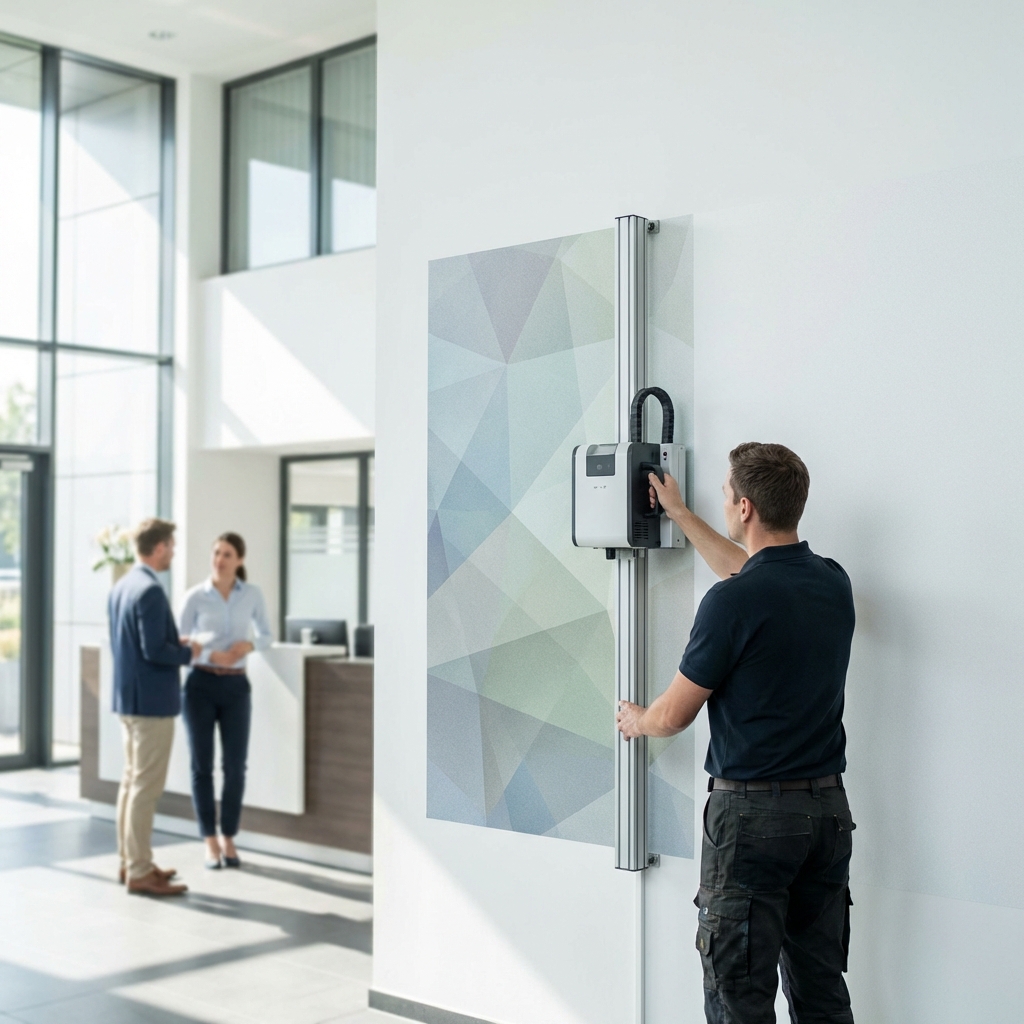
For national brands, centralized procurement can bundle multiple locations into a single initiative with shared standards and pricing governance. For universities, hospitals, and public-sector owners, a campus master plan translates to coherent graphics across buildings and programs while allowing for localized content. In both cases, on-site printing eliminates shipping risks and fabrication errors common with pre-made panels, especially when late-stage architectural changes occur.
Where consistency pays off:
Retail refreshes where speed-to-market and visual uniformity drive revenue.
Healthcare networks rolling out safety protocols and specialty-service branding across clinics.
Education systems implementing district-wide wayfinding and program identity standards.
Landlords upgrading corridors and amenities across multiple properties to set a competitive baseline.
The outcome is a reliable, repeatable system for commercial interior graphics that reduces friction for facilities directors, brand teams, and capital projects staff while preserving design integrity.
Sustainable Wall Graphics: Environmental Benefits Over Traditional Methods
Environmental performance is increasingly a procurement requirement, not a preference. Direct-to-wall printing offers clear advantages over traditional vinyl and wallpaper methods by reducing materials, waste, and the need for replacements.
Sustainability gains you can measure operationally:
No vinyl, no liner waste: Adhesive-backed films create trim waste, release liners, and outdated panels that often end up in landfills. Direct-to-wall removes that waste stream at the source.
Fewer shipments and remakes: On-site production cuts freight-related impacts and the embodied energy of multiple fabrication cycles. Late changes or field surprises don’t require reprinting an entire panel set.
Lifecycle efficiency: Durable, cleanable surfaces extend useful life. When it’s time to refresh, paint-over-ready finishes allow quick changeouts without demolition or scrape-off.
Lower disruption = fewer resource hours: Shorter, cleaner install windows reduce after-hours labor, site protection, and cleanup materials.
For organizations comparing options in a formal evaluation, EastCoast MuralPros outlines a data-informed perspective on material waste and environmental trade-offs in this article on direct-to-wall printing vs vinyl.
Sustainability also means right-sizing the solution. Rather than blanketing surfaces in substrate, you can apply high-impact graphics exactly where needed—feature walls, information hubs, or entry portals—without installing continuous material across an entire corridor. And because the process is compatible with finished and unfinished surfaces, there’s often no need for added layers that complicate future renovations.
For cultural institutions and museums, this approach supports frequent exhibit rotations without producing bins of discarded panels. For landlords, it turns seasonal campaigns and leasing updates into low-waste initiatives. Across sectors, the common thread is a smaller materials footprint and a more nimble, update-friendly interior ecosystem.
Wayfinding and Instructional Graphics Without Signage Clutter
Facilities often wrestle with sign proliferation: arrows, room identifiers, safety reminders, and temporary notices that accumulate over time. Direct-to-wall graphics streamline that complexity, embedding wayfinding, instructional content, and environmental cues into the architecture itself.
Design strategies that reduce clutter:
Zone-based color fields: Assign a color to departments, floors, or service lines and reinforce it with subtle walls, thresholds, and accents to guide users without constant overhead signs.
Integrated directional systems: Use large-scale arrows, destination names, and distance markers along corridors and decision points that are visible from a distance.
Iconography and multilingual support: Pair universal symbols with concise copy in multiple languages to speed comprehension for diverse audiences.
Instructional fields: Print procedural steps directly at point of use—lab prep areas, waste sorting stations, patient check-ins—so information is available exactly when needed.
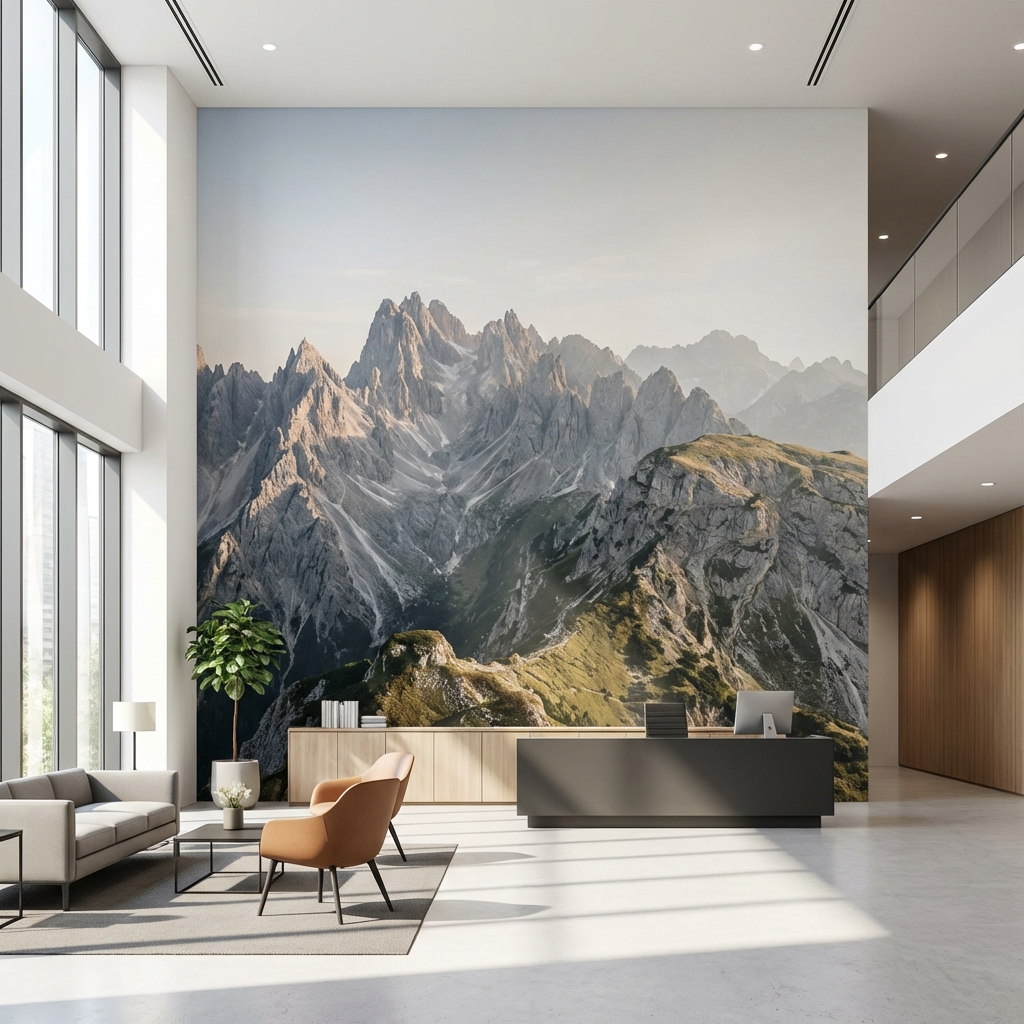
Because the graphics are seam-free and built for high-traffic environments, they can carry a professional, permanent look without feeling like temporary notices. In healthcare, this helps standardize infection control messaging or service-line identities across clinics. In K–12 and higher education, it supports orientation periods and ongoing navigation for new cohorts. In corporate workplaces, it guides visitors and reinforces branded culture without relying on dense plinths or suspended signs.
Compliance note: Direct-to-wall graphics complement, not replace, code-required life safety and accessible signage. Tactile and Braille elements still belong where mandated. However, integrating the rest of the system into walls reduces the number of protruding fixtures, improves sightlines, and lowers maintenance associated with damaged or outdated signs.
As needs evolve—new departments, reconfigured floors, seasonal programming—updates can be scheduled with minimal disruption. A subscription model allows institutions to plan regular refreshes, ensuring that wayfinding and instructional content keeps pace with organizational change.
Cost-Effective Lifecycle Management and Maintenance Savings
The true value of custom wall printing services shows up over the full lifecycle, not just the first install. Direct-to-wall systems reduce total cost of ownership (TCO) by compressing timelines, avoiding material markups, and minimizing ongoing maintenance.
Where the savings accrue:
Faster installs, fewer premiums: Completing walls in under five hours often eliminates extended after-hours or weekend labor and reduces the need for swing spaces or closures.
No substrate or adhesive costs: With nothing to fabricate, ship, or stock, you avoid material overages, rush fees, and panel remakes tied to field changes.
Durable, cleanable surfaces: Routine cleaning with approved methods maintains appearance without special chemicals or frequent replacements. This is especially impactful in healthcare, education, and retail environments with constant traffic.
Paint-over-ready refreshes: When programs change or tenants turn, walls can be primed and repainted, then reprinted if desired—no demolition, scraping, or landfill-bound waste.
Portfolio-level procurement efficiency: Standardized workflows, color targets, and templates streamline approvals, shorten buying cycles, and create predictable budgeting across multiple locations.
For operations managers and facilities directors, fewer moving parts translate to fewer points of failure. There are no delayed pallets, miscut panels, or adhesive cure surprises. On-site printing also reduces the risk of installation errors, since the artwork is registered precisely to the actual built conditions rather than to as-bid drawings.
Budgeting for a multi-year program:
Start with a pilot: Validate color, durability, and installation logistics in a representative area (a corridor and a feature wall, for example).
Define standards: Lock templates, color targets, and cleaning protocols so future projects execute on autopilot.
Schedule refreshes: Use a subscription model to stage strategic updates—seasonal, departmental, or campaign-based—without episodic capital spikes.
Measure impact: Track install times, disruption incidents, and maintenance tickets to quantify savings and inform procurement strategy.
Durability is central to controlling lifecycle costs. For guidance on cleaning, abrasion resistance, and performance in high-traffic zones, EastCoast MuralPros shares practical insights in this overview of direct-to-wall printing benefits.
The bottom line: When compared with vinyl wall coverings, wallpaper, and construction-heavy upgrades, direct-to-wall printing is a performance-based alternative that aligns with how modern facilities operate—fast, predictable, and lifecycle-efficient.
—
Commercial interiors are complex environments. The best custom wall printing services align design ambition with operational realities: speed without downtime, brand fidelity without seams, durability without over-maintenance, and sustainability without complexity. EastCoast MuralPros brings these priorities together for landlords, institutions, and multi-location brands that need commercial interior graphics done right—the first time and every time.