Streamlining Wall Graphic Installations: A Guide to Project Management for Occupied Facilities
Introduction: The Challenges of Interior Branding in Active Work Environments
Upgrading interiors while people work, heal, study, or shop requires precision far beyond picking a graphic and a date. In many facilities, even small disturbances ripple into patient schedules, classroom routines, or revenue. That’s why wall printing for occupied spaces must be planned as an operational project, not a decorative add-on—balancing branding goals with safety, compliance, and the realities of a live environment.
Teams often have to orchestrate dozens of constraints at once, including:
Hour-by-hour access windows to avoid peak traffic and critical operations
Infection control, clean corridors, and dust/odor mitigation in healthcare
Clear egress paths and life-safety compliance during setup and teardown
Security, badging, and escorted access for sensitive areas
Union rules, ladders/lifts, and staging logistics in tight corridors
Surface variability (painted drywall, CMU, concrete, brick) and wall prep
Consistent color and execution across multiple floors and locations
Procurement oversight, approvals, and documentation for audit trails
Traditional approaches can strain those parameters. Vinyl wall coverings bring adhesives, seams, field trimming, and failure risks like bubbling or edge lift—plus long lead times and shipping dependencies. Hand-painted murals require extended access, larger staging zones, and can be difficult to replicate across campuses. For many facility teams, low disruption wall graphics that install fast, hold up to cleaning, and remain paint-over-ready are the benchmark.
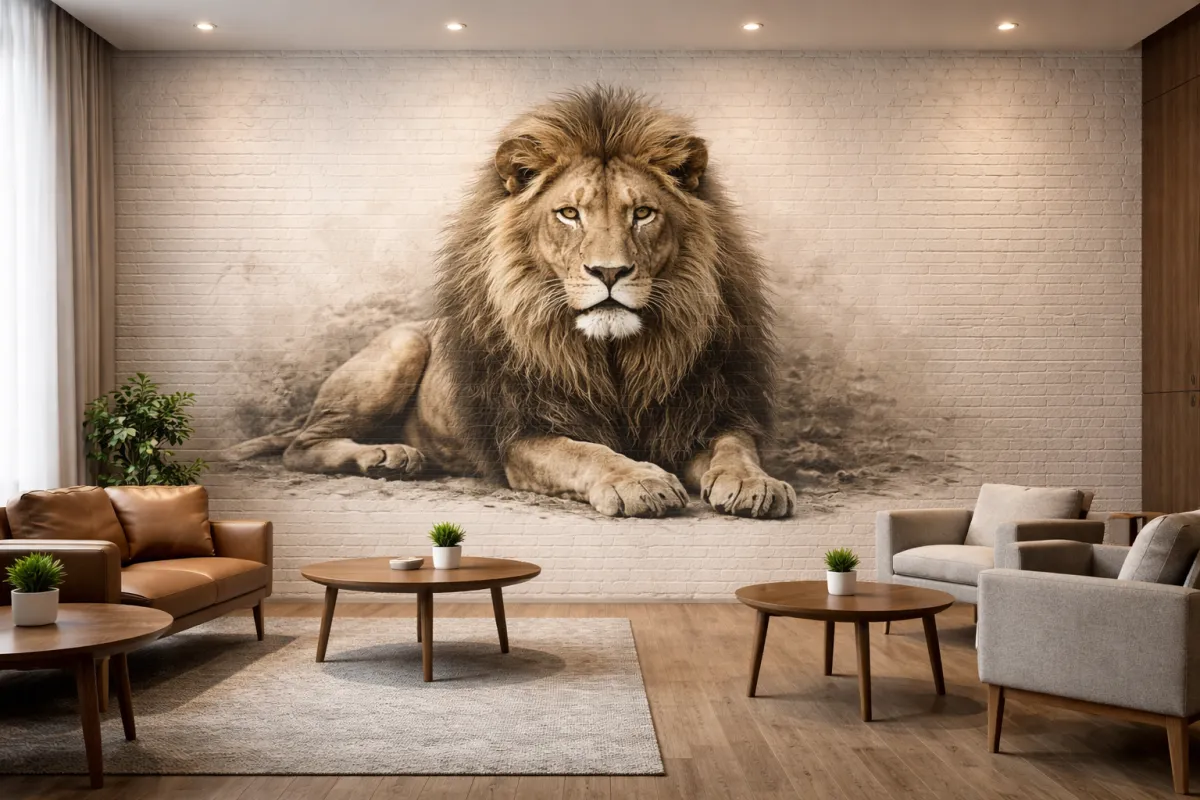
EastCoast MuralPros addresses these realities with direct-to-wall printing installation that is adhesive-free, high-resolution, and typically completed in under five hours per area. On-site production eliminates shipping delays and fabrication errors, while seam-free results scale across drywall, CMU, concrete, and brick for consistent rollouts. Healthcare corridors can receive integrated wayfinding overnight; K–12 schools can refresh mascots and safety messaging during a single in-service day; corporate workplaces can rebrand multiple floors over two weekends without construction. Their efficient project management process supports multi-stakeholder coordination, ensuring facility management wall murals meet schedule, durability, and budget targets—delivering commercial interior branding solutions that work for occupied buildings.
Pre-Project Planning: Assessing Wall Surfaces and Site Conditions
Successful wall printing for occupied spaces starts long before the printer rolls in. A structured pre-project assessment protects schedule certainty, color accuracy, and code compliance without cordoning off floors. Treat it like light construction planning for commercial interior branding solutions—only faster and with far less disruption.
Begin with the surface. Identify substrates (painted drywall, CMU, sealed concrete, brick) and note texture, porosity, and recent patchwork, since rough or dusty mineral surfaces may need a quick seal or wipe-down. Confirm paint type and cure status with facilities or the manufacturer; uncured coatings and silicone- or wax-heavy paints can inhibit ink anchoring and cleanability. Document whether finishes are finished or unfinished—both are compatible with modern systems, but prep can differ.
During the walk-through, capture non-negotiables that affect direct-to-wall printing installation:
Moisture: check for leaks, vapor drive, or efflorescence near slabs and exterior walls.
Cleanliness: dust, oils, or hospital-grade disinfectants can affect results; define wipe-down protocols.
Flatness and movement: note patches, hairline cracks, and expansion joints you want expressed or concealed.
Environment: baseline temperature, humidity, and consistent lighting for accurate color.
Access: 36–48 inches of clearance, lift permissions, floor protection, and dedicated power.
Operations: after-hours windows, noise tolerance, infection-control barriers, and egress routes.
Life safety: locate strobes, pulls, signage, and required clearances so graphics don’t create conflicts.
Map every obstruction—thermostats, handrails, glazing, door hardware—and capture centerlines and heights on scaled elevations. Resolve life-safety and ADA rules early, then align the creative so wayfinding, safety, and instructional elements print in place, reducing signage clutter. Provide brand palettes or Pantone targets and request a small on-wall test print in an inconspicuous area to validate resolution, color, and wipe-down durability before full production.
Package a concise site dossier: annotated floor plans, measured elevations, substrate and finish notes, environmental readings, security/access steps, and an approvals log. EastCoast MuralPros uses this information to deliver low disruption wall graphics—often in under five hours per zone—with seam-free results suited to facility management wall murals across campuses and portfolios. Their adhesive-free wall graphics approach avoids vinyl, speeds changeovers, and remains paint-over-ready for future tenant or program updates.
Minimizing Disruption: Coordination Strategies for High-Traffic Institutional Settings
High-traffic hospitals, schools, and workplaces require wall printing for occupied spaces that respects life-safety, cleanliness, and daily operations. The fastest way to minimize disruption is to turn installation into a coordinated, time-boxed event with clear roles, approvals, and site readiness. EastCoast MuralPros uses direct-to-wall printing installation methods that are low-disruption and adhesive-free, so crews can work within tight windows without staging panels or managing peel-and-stick waste.
Begin with a joint site walk and wall audit that documents substrates, clearances, and access. Align on quiet-hour windows, elevator and loading coordination, and any infection-control or after-hours supervision required. Involving facilities, security, EVS/custodial, and area managers early prevents last-minute surprises and ensures power, floor protection, and safe egress paths are planned.
Phase work in micro-zones to keep corridors and departments open. Segment long runs into short sections with temporary barriers and clear detour cues, maintaining required widths for egress and equipment. Because printing is on-site and seam-free, there’s no crate handling or panel alignment—each zone can be completed and reopened quickly, then crews leapfrog to the next.
Choose windows that mirror the building’s rhythm: post-visiting hours in healthcare, after dismissal or during in-service days for K–12, or overnight/weekend for offices and hospitality. Most walls are completed in under five hours, making overnight turnovers realistic for facility management wall murals and commercial interior branding solutions. An example: a university can refresh wayfinding on three floors across two weekends, with classes uninterrupted.

Image 2
Use a simple three-phase checklist to anchor coordination:
Before: wall prep confirmation, substrate compatibility (drywall, CMU, concrete, brick), content approvals, safety plan, access routes, and equipment staging.
During: barrier placement, egress verification, spot cleaning as needed, progress check-ins every 60–90 minutes, and quick documentation for stakeholders.
After: final QA, cleanability guidance for custodial teams, punchlist closeout, and photo records for brand and compliance archives.
Adhesive-free wall graphics avoid peel failures and residue, reducing future downtime. The durable, cleanable finish supports high-traffic maintenance cycles, while paint-over-ready surfaces simplify tenant or program changes. For campuses and systems, EastCoast MuralPros can calendar subscription-based refreshes and deliver consistent execution across multi-location rollouts—keeping low disruption wall graphics on schedule and on brand.
The Technical Advantage: Why Direct-to-Wall Printing Outperforms Traditional Vinyl Wraps
Vinyl wraps introduce seams, adhesives, and a surprising amount of downtime—none of which are ideal for occupied facilities. By contrast, wall printing for occupied spaces delivers true low disruption wall graphics because the image is produced directly on the substrate, with no panels to align or glue to cure. The result is a tighter schedule, fewer failure points, and graphics that look integrated with the architecture rather than applied on top of it.
Using precision-guided print systems, high-resolution artwork is rendered in place with crisp edges and consistent color, even at architectural scale. Because there’s no film, you avoid edge-lift, bubbling, and dirt-catching seams that often appear on vinyl in high-traffic corridors. EastCoast MuralPros produces seam-free, adhesive-free wall graphics that are paint-over-ready when programs or tenants change, minimizing future make-good work.
Direct-to-wall printing installation is also built for real-world schedules. On-site production eliminates shipping delays, crate damage, and re-fabrication—common causes of missed turnover dates with vinyl. For example, a school can add mascots and wayfinding after the last bell and reopen the next morning, or a healthcare corridor can receive patient-friendly murals overnight without construction staging or blocking egress.
Key technical advantages over vinyl and wallpaper include:
No adhesive layers, seams, or panel edges—virtually eliminating peeling, bubbling, and trip-hazard repairs
High-resolution, photoreal output with precise registration for large-scale branding and art
Durable, cleanable finishes suited to high-traffic environments and routine maintenance
Broad surface compatibility (finished or unfinished drywall, CMU, concrete, brick) without skim-coating panels
Paint-over-ready lifecycle, reducing removal labor, landfill waste, and replacement cycles
Integrated wayfinding and instructional graphics for facility management wall murals without signage clutter
Digital workflow that preserves brand color accuracy across multi-location rollouts
For procurement and facilities teams comparing commercial interior branding solutions, the performance delta is clear: fewer steps, fewer variables, and more predictable outcomes at scale. EastCoast MuralPros adds program-level advantages—national consistency, subscription refresh options, and in-studio printing for doors, tables, and standees—so your adhesive-free wall graphics remain current without disrupting daily operations.
Logistics and Scheduling: Executing Multi-Location Rollouts Without Business Downtime
Coordinating wall printing for occupied spaces across multiple sites starts with an operations-first plan. Because EastCoast MuralPros performs direct-to-wall printing installation on site, there are no panels to ship, no adhesives to cure, and far fewer variables to derail the schedule. Typical rooms and corridors are completed in under five hours, which allows overnight or swing-shift work that avoids business downtime. The result is consistent execution at scale with minimal noise, dust, or odor.
Map the rollout with a short pilot, then standardize. We help teams verify substrates (drywall, CMU, concrete, brick), run small test prints where needed, and lock color profiles so multi-location brand elements match. A shared asset library, location codex, and elevation markups ensure each wall is print-ready and aligned to brand guidelines. This gives facilities and brand teams a predictable path to commercial interior branding solutions without construction.
Scheduling is phased by zone, not by building. For hospitals and campuses, we block off corridors, patient wings, or classroom banks in 3–5 hour windows, sequencing floors to keep egress clear and noise below thresholds. For retail and hospitality, night or early-morning windows enable turnover before open. Example: a 12-location medical group updated wayfinding and safety graphics over three weekends, averaging 3.5 hours per corridor with zero clinic closures.
Use a repeatable readiness checklist to keep each site “greenlit” for crews:
Access and security: after-hours badges, escorts, and staging rooms confirmed
Surfaces: painted walls fully cured, clean, and cleared 4 feet from the print area
Power and reach: standard 120V outlet and lifts/ladder access where needed
Environmental: temperature/humidity within spec; infection-control protocols (ICRA) for healthcare
Protection: floor/finish protection planned; sensitive equipment covered
Communications: occupant notices posted; contact tree for on-call approvals
QA/turnover: sign-off photos, location map updates, and maintenance notes documented
Program governance matters as much as speed. A central calendar, SLAs, and change-order rules keep multi-location facility management wall murals on track. EastCoast MuralPros’ adhesive-free wall graphics and low disruption wall graphics model supports subscription-based refreshes, integrating seasonal campaigns and wayfinding updates without rework. For teams evaluating alternatives to wallpaper and vinyl, this delivers a lifecycle-efficient, scalable approach to wall printing for occupied spaces.

Image 3
Post-Installation Care: Maintaining High-Resolution Murals in Commercial Environments
Once your mural is in place, treat it like any other architectural finish: clean it routinely, protect high-touch zones, and document a simple maintenance plan. Because direct-to-wall printing installation eliminates seams and adhesives, there are fewer failure points than vinyl, but regular care preserves crisp detail and color fidelity. For teams prioritizing wall printing for occupied spaces, the goal is to maintain performance with minimal disruption to daily operations.
Establish a light-touch cleaning protocol. Dust with a dry microfiber cloth, then spot-clean using a damp microfiber and a small amount of mild, pH-neutral soap; avoid abrasive pads, bleach, or strong solvents. Always test cleaners in an inconspicuous area first and wipe dry to prevent water marks. In clinical or food-service settings, verify compatibility with your approved disinfectants on a sample swatch.
Match cleaning frequency to traffic patterns to keep adhesive-free wall graphics looking new:
Lobbies, retail queuing, elevators: dust weekly; spot-clean monthly or as needed.
Patient corridors, classrooms, conference areas: wipe touch zones weekly.
Cafés, break rooms, and service corridors: clean spills immediately; inspect monthly.
Back-of-house and storage: quarterly inspections for scuffs and impact.
Prevent damage with simple physical safeguards. Install corner guards or low-profile chair rails where carts or seating contact walls, and use stanchions in queue lines to keep bags and belts off the surface. Place entry mats to reduce grit abrasion and brief housekeeping on approved cleaning methods. Good lighting and HVAC control also help by minimizing UV exposure, condensation, and dust buildup.
Fold murals into your CMMS or facilities checklist like any finish. A quarterly walk-through should note moisture intrusion, substrate cracks, or impact damage so issues are addressed upstream. When updates are needed—brand refreshes, new departments, or code-related wayfinding—EastCoast MuralPros can perform targeted on-site reprints with low disruption wall graphics, avoiding removal, shipping, and refabrication delays.
Plan lifecycle updates as part of broader commercial interior branding solutions. With paint-over-ready finishes and a subscription option, EastCoast MuralPros helps facility management wall murals evolve seasonally or by program without construction. This performance-based, sustainable approach to direct-to-wall printing installation supports consistent execution across campuses and multi-location portfolios while keeping spaces open and productive.
Conclusion: Enhancing Institutional Spaces Through Efficient Graphic Project Management
Effective project management is what turns good ideas into safe, predictable outcomes when teams are working in active environments. When stakeholder alignment, substrate assessment, and phasing are planned up front, wall printing for occupied spaces can be completed in hours—not days—without disrupting operations. Selecting technologies that eliminate adhesives, off-gassing, and long cure times further reduces risk while preserving schedule flexibility.
Consider a hospital corridor where infection control is non-negotiable: a direct-to-wall printing installation can be executed overnight with containment, HEPA filtration, and a four-hour window per zone, returning the area to service by morning rounds. On a university campus, adhesive-free wall graphics enable wayfinding updates across multiple buildings between orientation sessions, with zero peeling or seams. Retail teams can pilot a single location, validate color accuracy and cleanability, then scale a national rollout with a repeatable playbook.
To finish strong, close projects with a clear, light-touch process that facilities teams can trust:
Perform a site survey and substrate test (drywall, CMU, concrete, brick) to set print parameters.
Provide scaled mockups, color targets, and code-compliant content for stakeholder sign-off.
Coordinate security, after-hours access, and phased zones to maintain egress and operations.
Run an on-wall test swatch and document containment and cleaning protocols.
Schedule under-5-hour install windows per area, followed by QA and punch-list photos.
Deliver cleaning guidance, paint-over specs, and a refresh cadence aligned to budget cycles.
EastCoast MuralPros helps institutional teams operationalize this approach with commercial interior branding solutions built for scale. Their on-site, high-resolution, adhesive-free wall graphics produce seam-free results on finished and unfinished surfaces, while eliminating shipping delays and fabrication errors. For facility management wall murals and integrated wayfinding, they offer consistent execution across campuses and multi-location portfolios, plus paint-over-ready finishes that simplify future tenant or program changes.
For organizations seeking low disruption wall graphics that outperform vinyl and wallpaper across lifecycle, this method provides measurable gains in speed, durability, and compliance. Partnering with EastCoast MuralPros aligns creative ambition with facilities reality—so you can plan, approve, and deliver with confidence.