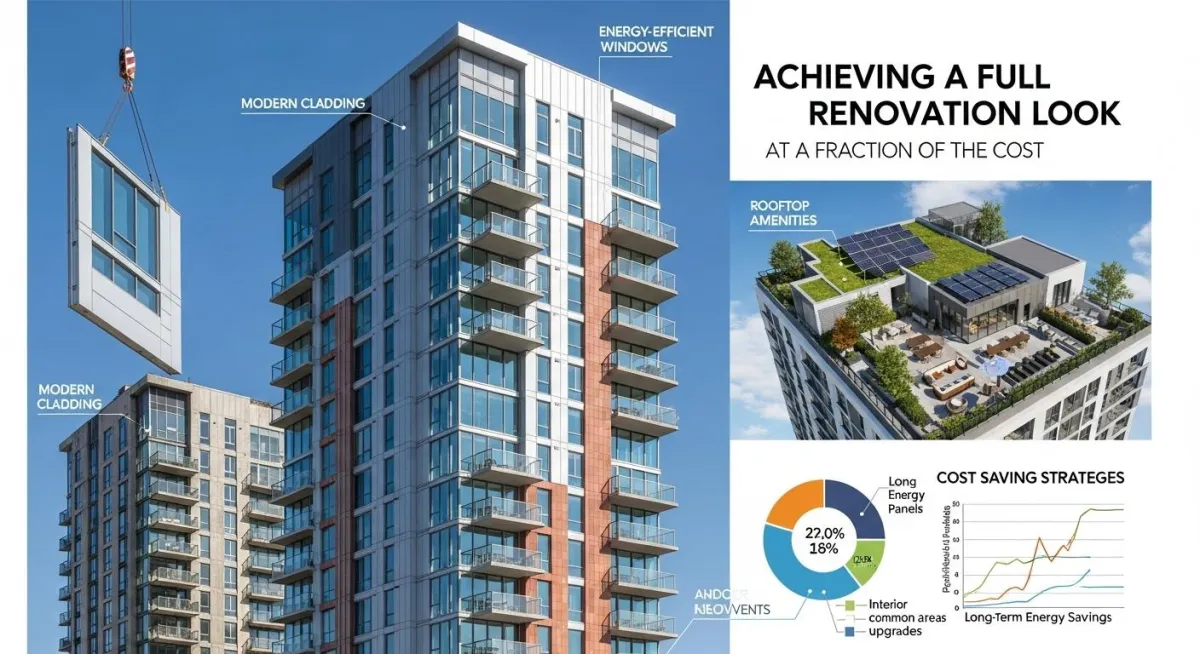
How Towers Can Achieve a Full Renovation Look — at a Fraction of the Cost
Introduction
Across New York City, property teams are facing the same challenge: how do you modernize a building without the cost, disruption, and downtime of a full renovation? Lobbies feel outdated. Corridors look tired. Amenity floors no longer match tenant expectations.
But the fastest way to reposition a building isn’t demolition—it’s visual transformation. Public-area walls shape perception immediately, and today’s next-generation environmental graphics let buildings achieve a complete facelift at a fraction of the cost, without construction and in just hours.
Thanks to high-resolution, direct-to-wall printing technology, owners can create atmosphere, identity, and renewed energy without replacing materials or closing off space.
The Fastest Path to a Modern Building Is Atmosphere
Instead of replacing stone, millwork, or architectural surfaces, buildings can transform these same walls with photoreal murals printed directly onto the surface. These upgrades feel architectural—not decorative—and allow legacy assets to look contemporary, curated, and high-design.
These aren’t vinyl decals or temporary graphics. This is architectural-grade wall printing: seamless, durable, UV-cured imagery applied at 300 dpi with no adhesives, no edges, and no mess.
Why Walls Matter More Than Ever
Post-COVID, tenants have become extremely sensitive to the 'feeling' of a space. Employees accustomed to natural light, plants, and curated décor at home now expect their workplace to inspire and energize them.
Environmental graphics instantly:
• bring the outside in
• turn forgotten corridors into destinations
• create a unified building identity
• add energy to amenity floors
• turn lobby walls into storytelling surfaces
The result is a contemporary building experience—without reconstruction.
A Full Facelift Without the Construction Budget
Wall-printing transformations eliminate major renovation costs while delivering dramatic aesthetic impact.
Cost savings: 70–90% less than traditional renovation
Zero downtime: installations take 2–3 hours per wall
No VOCs or adhesives: UV-cured, environmentally safe inks
Faster leasing: refreshed spaces photograph and tour better
Custom design identity: curated visuals, branding, and biophilia become part of the architecture
All without demolition, architectural permits, or shutting down circulation paths.
The Most Undervalued Asset in a Building: The Public Corridor
Corridors, elevator lobbies, and amenity connectors are often the most outdated areas of older buildings. Yet these are the spaces tenants encounter hundreds of times per month.
Murals with skyline imagery, geometric gradients, or natural scenes can:
• brighten dark stretches
• create continuity between floors
• reduce perceived corridor length
• modernize without new lighting or flooring
• give Class B buildings a Class A visual identity
This is one of the highest ROI upgrades available.
Where to Start
The fastest-impact areas for wall transformations include:
1. Lobby feature walls
2. Amenity connectors and corridors
3. Elevator landing walls on tenant floors
4. Tenant corridors in aging fit-outs
5. Amenity floors, wellness rooms, break areas
6. Mailrooms and service corridors
A coordinated mural strategy refreshes every public-facing surface in the building.
Conclusion: Renovation-Level Results Without Renovation-Level Pain
Environmental graphics are the most capital-efficient way to transform a building. With next-generation wall printing technology, owners get architectural-grade visuals, eco-friendly installation, rapid deployment, and a completely refreshed building identity.
This approach elevates tenant experience, accelerates leasing, and creates a building that finally looks as valuable as it should—without the time, mess, or budget of a traditional renovation.