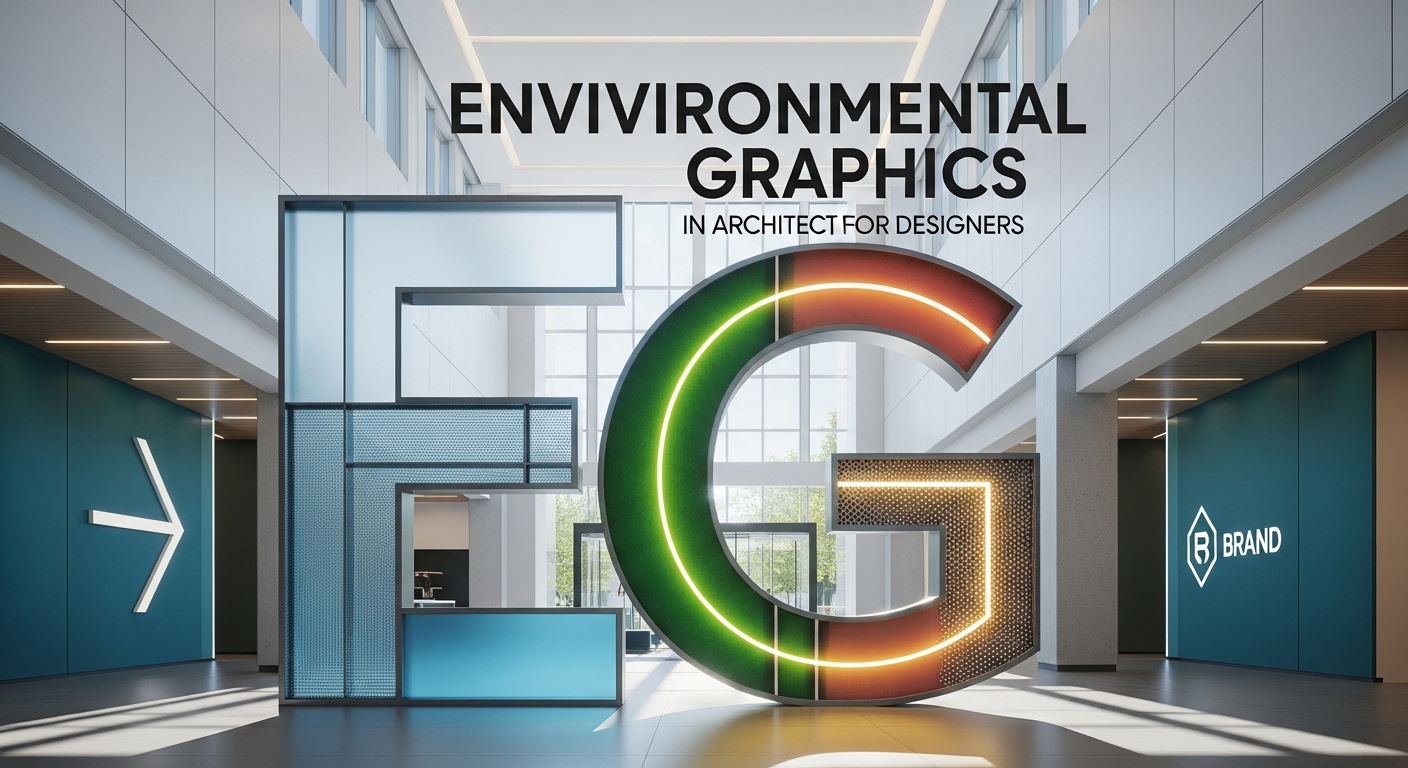
Environmental Graphics in Architecture: A Guide for Designers
Introduction
Environmental graphics have become an important component of modern architecture and interior design.
Rather than functioning as simple decoration, environmental graphics help shape how people experience a space.
By integrating graphics directly into architecture, designers can transform environments into storytelling platforms that communicate identity, culture, and purpose.
Many of these applications fall under the category ofenvironmental branding in office design.
What Are Environmental Graphics?
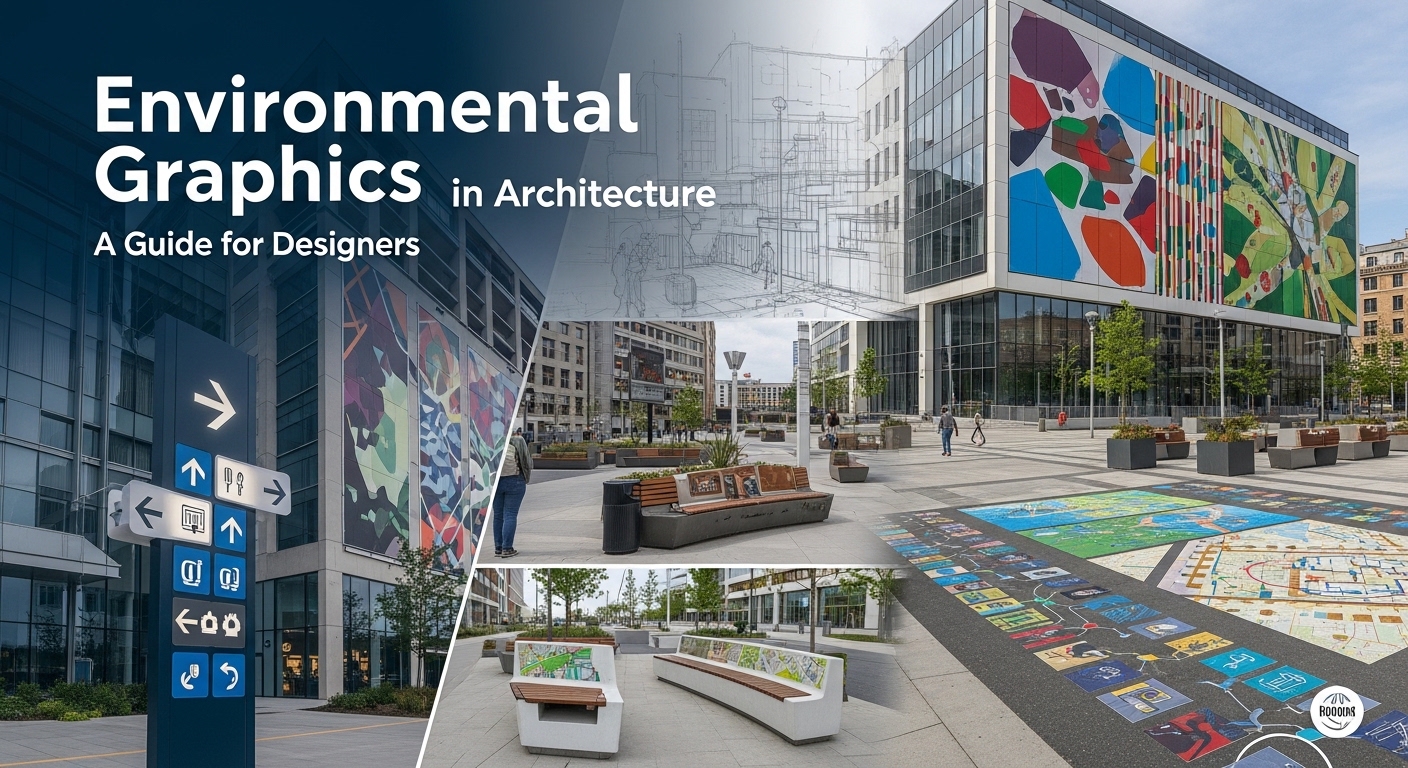
Environmental graphics are visual elements integrated into physical spaces to communicate information, identity, or navigation.
They typically include:
wall graphics and murals
typography installations
wayfinding systems
branded architectural features
experiential visual environments
Many of these installations are implemented usingoffice wall graphics.
The Role of Environmental Graphics in Architecture
Environmental graphics serve several important functions within built environments.
Identity
Graphics can visually represent the identity of an organization or institution.
This is a central component ofworkplace branding.
Wayfinding
Large buildings often require visual navigation systems to help visitors find their way.
Wayfinding is a core discipline withinenvironmental graphics design.
Storytelling
Graphics can communicate history, values, or narratives associated with a space.
These storytelling elements are commonly used inenvironmental branding installations.
Engagement
Experiential graphics can make environments more dynamic and memorable.
Large-scaleoffice wall graphics and architectural muralsare often used to create these immersive experiences.
Environmental Graphics and Interior Design
Environmental graphics work best when integrated with interior architecture.
This requires coordination between designers, architects, and graphic specialists.
Successful projects consider:
wall surfaces
lighting conditions
viewing distances
spatial layout
These considerations are often addressed duringworkplace branding design planning.
Materials and Installation Methods
Environmental graphics can be installed using several different techniques.
Common approaches include:
vinyl graphics
dimensional lettering
wall coverings
direct-to-wall printing
These methods are frequently used for office wall graphics installations.
Conclusion
Environmental graphics have evolved into a core component of architectural storytelling.
By integrating visual elements directly into the built environment, designers can create spaces that communicate meaning and identity.
The future of architecture is not just about how spaces function—it is also about how they communicate.